.png)
 1 month ago
39
1 month ago
39
Jemma CrewBusiness reporter

 Richard Drury/Getty Images
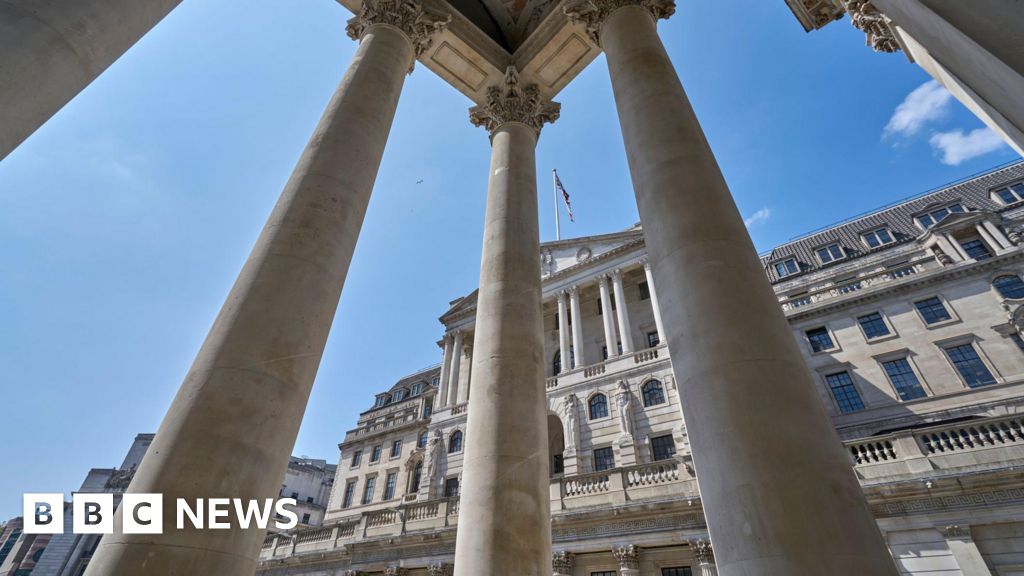
The UK economy unexpectedly failed to grow in January, ahead of the outbreak of the US-Israeli war with Iran.
The zero growth for the month was weaker than had been predicted, and followed growth of 0.1% in December.
The overall picture is "subdued", said the Office for National Statistics (ONS), while analysts called it a "disappointing start to the year".
The figures cover a period before the outbreak of Middle East conflict, which has caused a major energy shock that could have a ripple effect on economies around the world.
The longer the conflict lasts, the more likely it is that there will be an effect on the UK economy, Prime Minister Sir Keir Starmer warned this week.
Labour has made growing the economy its number one priority since coming to power.
Chancellor Rachel Reeves said: "Our economic plan is the right one, but I know there is more to do.
"In an uncertain world, we are building a stronger and more secure economy by cutting the cost of living, cutting national debt and creating the conditions for growth to make all parts of the country better off."
The ONS said the services sector showed no growth in January, while production fell by 0.1%. Meanwhile the construction sector grew by 0.2%.
In the three months to January, a less volatile measure in comparison to the monthly numbers, GDP grew by 0.2% - up from 0.1% in the three months to December.
Yael Selfin, chief economist at KPMG UK, said growth was "likely to remain elusive".
"The UK economy started the year on the back foot and activity is expected to weaken further amid sharply rising energy prices," she said.
She said government borrowing costs have risen in recent weeks. Before the Iran conflict, analysts had said the Bank of England could cut interest rates as soon as March, but they now widely expect a hold when it meets next week.
Keeping interest rates higher for longer will be a "headwind" for businesses, Selfin added, with expectations for weaker growth plus rising costs meaning firms are likely to scale back investment plans.