.png)
 1 month ago
30
1 month ago
30
Emer MoreauBusiness reporter

 Getty Images
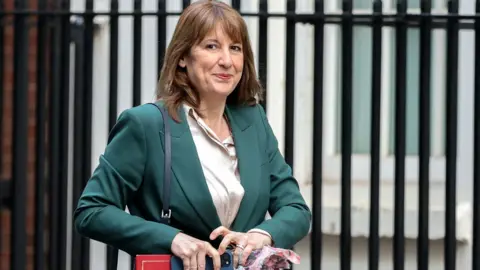
Chancellor Rachel Reeves will deliver the Spring Statement on 3 March
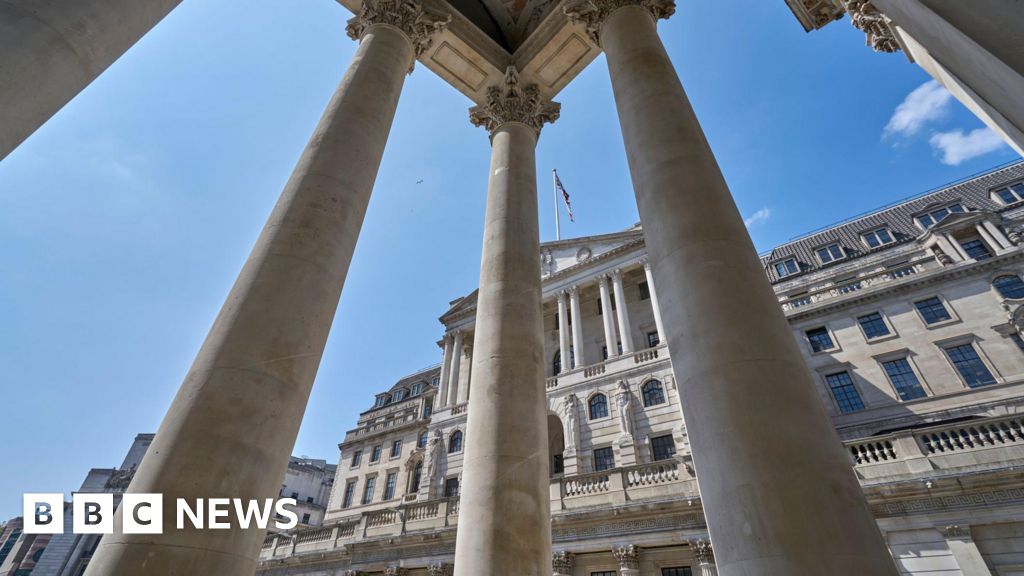
Chancellor Rachel Reeves will give an update on her plans for the UK economy, when she delivers the Spring Statement later on Tuesday.
The latest estimates for growth, inflation, unemployment, government spending and tax income over the next few years will be published alongside the statement.
However, the forecasts will not take into account any potential impact from the jump in oil prices triggered by the strikes on Iran.
Although it is not a major event like the Budget, the Spring Statement can influence government decisions on whether to raise or cut taxes and spending in the future.
What is the Spring Statement and why does it matter?
The Spring Statement outlines the latest economic forecasts from the Office for Budget Responsibility (OBR). These will be published in full after Reeves has delivered her speech in the Commons.
The OBR is the independent body that monitors the government's spending plans and performance. It produces forecasts twice a year.
These give an indication of how the economy is expected to perform.
However, this year's Spring Statement will not contain an official assessment of whether the government is likely to meet its tax and spending rules. These assessments will now only be published at the time of the Budget.
- Not to borrow to fund day-to-day public spending by the end of this parliament
- To get government debt falling as a share of national income by the end of this parliament
At the time of November's Budget, the OBR said Reeves would meet the first measure with £21.7bn in reserve - an amount often referred to as "headroom".
These figures matter because the government may cut spending or raise taxes if it is at risk of not meeting its rules.
Despite the lack of an official "headroom" figure from the OBR on Tuesday, independent economists are still expected to produce their own assessments of the government's finances.
The latest OBR report is expected to include policy changes announced since the Budget.
There is speculation that government borrowing and inflation forecasts could be revised down, but the outlook for growth and jobs may have worsened.
What time is the Spring Statement?
The chancellor's speech is expected to begin in the House of Commons after 12:30 GMT on Tuesday.
When Reeves finishes speaking, the Treasury will publish the OBR's forecast.
The OBR is independent of the government and usually publishes its own reports. However, last year the OBR's analysis was released mistakenly before the chancellor had delivered her Budget statement in the House of Commons.
This error led to the resignation of the OBR's chairman, Richard Hughes.
Following a security review, the government has said the OBR's March forecast will be published by the Treasury using its gov.uk platform.
After Reeves has spoken, the opposition, likely to be either Conservative leader Kemi Badenoch or shadow chancellor Mel Stride, will respond.
What might be in the Spring Statement?
Reeves will say that the government "has the right economic plan for our country… in a world in that has become yet more uncertain".
"Because of the decisions we have already taken, we have a stronger and more secure economy."
However, she is not expected to announce any major policy decisions such as changes to taxes or spending.
The chancellor only wants to make major announcements once a year, normally at the autumn Budget. The government wants to avoid constant waves of speculation over tax and spending measures.
Uncertainty over possible measures in last autumn's Budget has been blamed for affecting both businesses and households
However, changes could still be announced.
The 2025 statement confirmed details of changes to benefits, although some of these were reversed later in the year.
How is the UK economy doing?
When the Labour government took power in July 2024, it made boosting economic growth its top priority.
However, many economists and politicians are concerned that the UK economy is not growing fast enough.
GDP - a measure of all the economic activity of companies, governments, and people in a country - grew by 0.1% in the last three months of 2025, which was slightly less than expected. It grew by 1.3% over the whole of the year.
In November, the OBR forecast the economy would grow by 1.4% in 2026, but analysts now expect this to be revised lower.
Prices rose by 3% in the year to January, the lowest inflation rate since March 2025. This has led analysts to expect the Bank of England to cut interest rates from 3.75%.
However, if the jump in oil prices seen after strikes on Iran is sustained, this could push up fuel prices and affect the cost of other goods such as food. If so, this could make the Bank less willing to cut rates.
Wage growth has been slowing, but average pay has still been rising faster than inflation. In the three months to December, wages excluding bonuses grew at an annual rate of 4.2%.
Reeves said in February that 2026 would be the year the British public start to feel the positive impacts of Labour's changes.
"Is there more to do? Absolutely. But we've created the conditions for growth and I am confident this will be the year we will see the results of that," she said.
Business owners have consistently complained about the rising tax burden, with particular concerns about how the chancellor's hike in employer National Insurance contributions, which took effect last April, drove up the cost of hiring for firms.