.png)
 1 month ago
25
1 month ago
25
Football’s start to 2026 has been seismic, with the festive season soon replaced by sacking season. At times this week it has been hard to keep up. The lifetime of a head coach or a manager seems to be getting shorter, with pressure for positive results apparently never greater.
In among the churn came a landmark moment, with Liam Rosenior taking on the head coach role at Chelsea, making him the first permanent black English manager at a big-six club.
Some Chelsea fans may question his experience but the ownership, who appointed Enzo Maresca to his first top-division head coach’s job, are employing a different type of candidate from those who served under the former owner Roman Abramovich.
There are several managers who landed a big Premier League job with similar – or even less – coaching experience. Steven Gerrard and Frank Lampard come to mind. Wayne Rooney, who coached alongside Rosenior at Derby, is among those who think the former Strasbourg and Hull City manager deserves his chance. We couldn’t agree more.
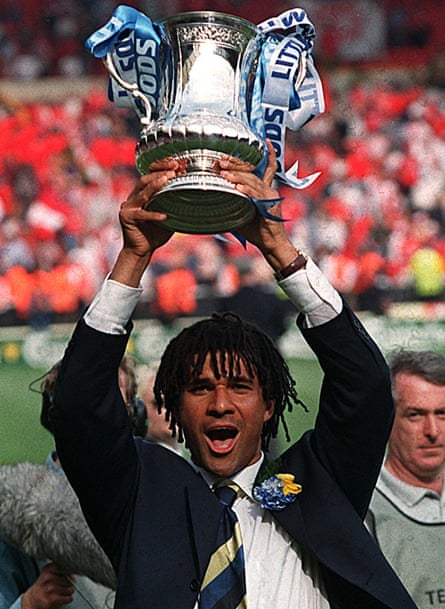
There is some synergy with Chelsea being the first Premier League club to appoint a black manager in Ruud Gullit in 1996. But it remains a sad fact that despite the league’s diverse playing pool, Rosenior is only its 12th black manager. That doesn’t reflect the level of talent out there.
I have spoken to several black former Premier League players frustrated by the lack of manager and senior coaching opportunities they have been offered. It is to Rosenior’s credit that after being harshly sacked by Hull when he missed out on the Championship playoffs, he took a different route with Strasbourg and has landed a top job.
But there are enough clubs in this country where coaches should be able to earn experience and we want to see more people like Liam breaking through. There are only three black managers at the 92 Premier League and EFL clubs.
So why are we still talking about this issue? Why aren’t qualified candidates landing jobs?
First, we need to look at the landscape. We know that black managers are few and far between, but Kick It Out analysis of workforce diversity figures released by clubs at the start of this season under Football Association rule N showed that in board and senior leadership positions at Premier League clubs, only 3.2% were occupied by ethnically diverse people. The percentage of ethnically diverse people among permanent employees overall is healthier for Premier League and EFL clubs at about 12%.
Research shows that diverse leadership can foster a diversity of thinking and better decision-making based on those with different backgrounds, experiences and perspectives. It can enhance innovation and creativity, and connect better in a football context with a diverse playing population and global fanbase, leading to stronger performance.
Rosenior has spoken about his background and how that has helped in some cases when dealing with multicultural dressing rooms. But if leadership in football lacks that diversity, is there an implicit bias when it comes to recruitment?
The League Managers Association has spoken about this and about informal recruitment methods at clubs, who sometimes go for their preferred candidate without an interview process.
With many clubs lacking a transparent and accountable governance structure, which can apply from financial sustainability to personnel, perhaps it is no wonder we find ourselves asking the same questions.
There is hope on the horizon. By publishing workforce diversity data across the 92 clubs, at least football is showing welcome transparency. But what happens next is vital, and crucial questions need to be answered where the Independent Football Regulator will have a role to play.

The regulator will require clubs to publish what action they are taking on equality, diversity and inclusion. So how can clubs enhance their governance by having a diversity of leadership that reflects the communities they represent? How can football improve its accountability by ensuring that workforce diversity data is transparent and detailed, leading to actions which drive positive sustainable change? Should that data be published not every two years, as proposed by the FA under rule N, but on an annual basis so that progress can be measured? And is now the right time for clubs to have targets at all levels of their workforce, demonstrating their commitment to reflect their communities?
We can’t wait another two years to see the next chapter. We’ve wasted enough time getting to this point and don’t want another generation of qualified black coaches to feel their talents are not being utilised among an increasingly diverse playing pool.
Hopefully Rosenior’s appointment and success can inspire other clubs to follow Chelsea’s lead and break down the barriers for a new generation. With help from all of football and the football regulator, there’s no reason why that can’t happen.
Samuel Okafor is the chief executive of football’s anti-discrimination organisation Kick It Out