.png)
 1 month ago
29
1 month ago
29
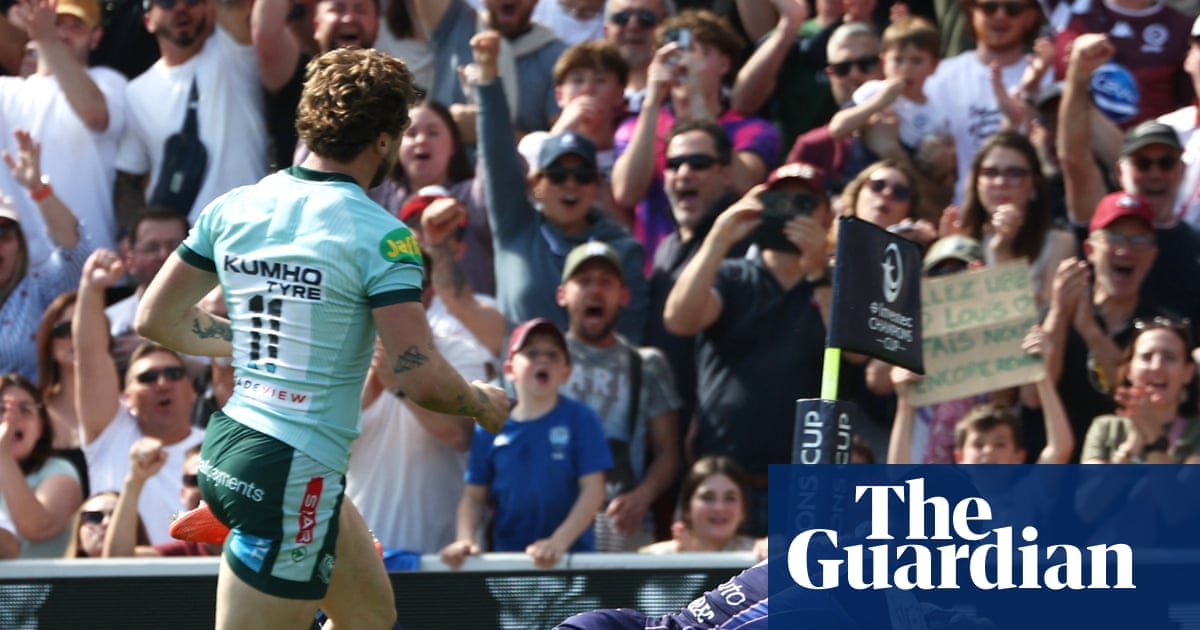
France (15 points) Three games played, three bonus-point victories banked and the title at their mercy. If they claim another four-try win at Murrayfield on Saturday week, they will secure the crown with a round to spare, setting up a rousing grand slam opportunity in Paris. Above all else, though, Les Bleus have illuminated this year’s championship with their pace and attacking grace, not least “King” Louis Bielle-Biarrey who has been spectacularly good. How many other sides in the world, aside from South Africa, can also interchange their second-row and midfield pairings without missing a beat? Or casually whistle up gifted youngsters such as Fabien Brau-Boirie, Émilien Gailleton and Gaël Dréan who all look instantly to the manner born. When you factor in the squad’s collective ability with and without the ball – to date France have scored the most tries, 18, and conceded the fewest, five – the future looks dazzlingly bright.
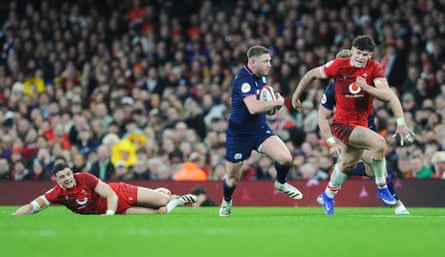
Scotland (11pts) The script has previously been a familiar one. Bask in the rosy glow of beating England, only to come crashing to earth in their next game. This time, finally, they have broken that pattern and still have their destiny in their own hands. France are due an off day and do not always prosper at Murrayfield while, before last Saturday afternoon, more than a few people would have backed them to cause problems in Dublin on the final weekend. The message will be simple: attack as smartly and accurately as they did in their Calcutta Cup fever dream and maintain the defensive organisation that has so far enabled them to concede just six tries in three games. And, of course, keep Finn Russell fit. The quick‑thinking restart that helped to bail his team out against Wales was merely the latest example of his whirring creative brain. A shoutout, too, for Kyle Steyn and Rory Darge who lead the way, respectively, for defenders beaten and turnovers won in this year’s championship.
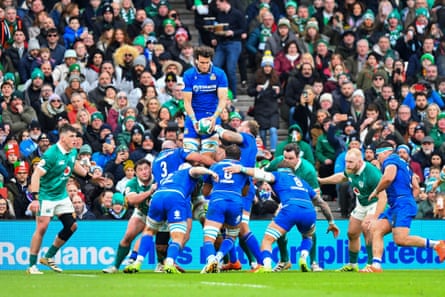
Ireland (9pts) Sometimes a bad day can crystallise everything. Ireland were nowhere near it in their opener in Paris, so much so that Andy Farrell angrily questioned his side’s “intent” after the game. Having dodged another bullet at home to Italy, the game against England last Saturday was something of a defining occasion. And how brilliantly Ireland responded, delivering perhaps their most compelling performance in a couple of years. Suddenly, Jamison Gibson‑Park looked 25 again, instead of 35, Stuart McCloskey underlined his status as one of the best midfielders in the tournament, and the Irish back-row collectively refound their mojo. With two home games to finish, against Wales and Scotland, a top-half finish beckons, even if the title proves beyond their reach.
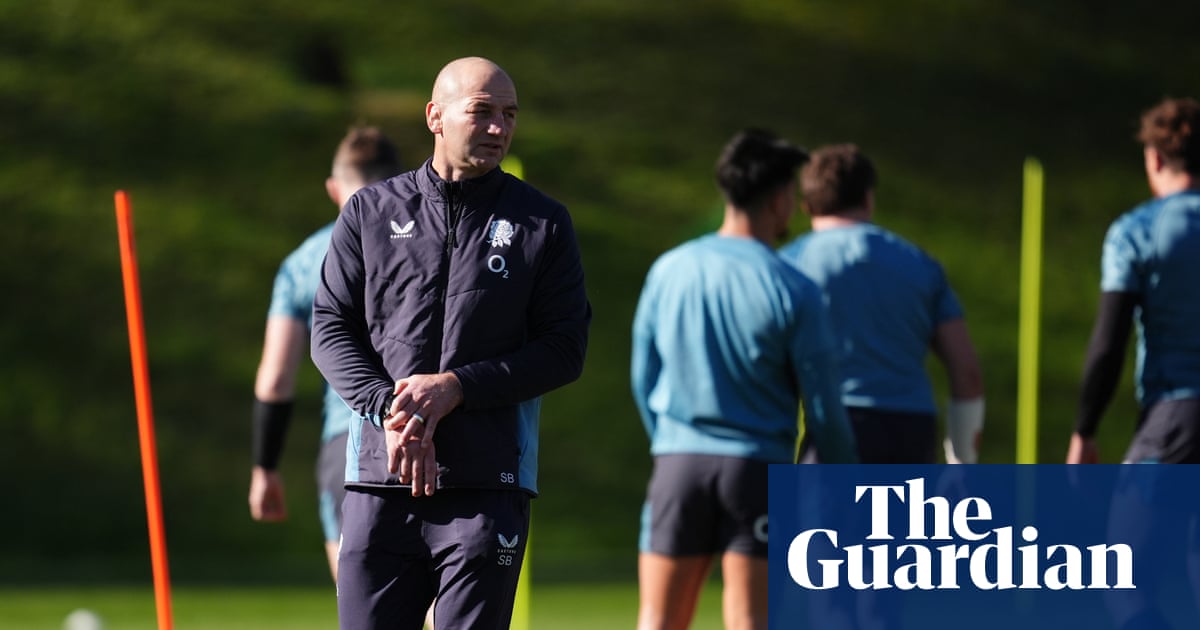
England (5pts) Where to start? Maybe with the stark statistics that reflect the steepness of England’s decline. In only three games, they have coughed up 58 turnovers – their highest number at this stage of a Six Nations tournament in 24 years – of which 32 are listed as unforced errors. Alongside 73 points and nine tries conceded in their past two defeats, against Scotland and Ireland inside eight days. Before the tournament started Steve Borthwick was encouraging English supporters to cross the Channel for a potentially memorable final weekend in Paris. On Saturday, by contrast, English fans could be seen streaming out of the ground before the end. Among other things it reflected the widening gap between the good game England are talking and the overly predictable, flawed one they are actually playing. To go 17-0 and 22-0 behind inside the first quarter against the Scots and the Irish in successive weeks is unprecedented and worrying. Defeat in Italy – once unthinkable – is no longer out of the question. And if England are no better in Rome and Paris, what then?
Italy (5pts) Rassie Erasmus predicted before this tournament that Italy would finish in the top half and, not for the first time, the World Cup-winning Springbok guru was ahead of the game. Italy have not only beaten Scotland but were also agonisingly close to defeating Ireland in Dublin. Their 33-8 loss against a fine French team in Lille on Sunday, too, was a much closer contest than the scoreline might suggest. If their centre Tomas Menoncello was English he would be a nailed‑on starter for years to come while the Azzurri scrum has been as effective as any other in the competition. At home against a slightly jittery England with the crowd roaring them on, Louis Lynagh running hard, Exeter’s Andrea Zambonin soaring in the lineout and the Cannone brothers tackling everything that moves? Erasmus was correct: Steve Borthwick’s side can expect a proper examination.
Wales (1pt) Everything is relative, in life and sport, and, given the off-field turbulence in Welsh rugby right now, the near miss at home against Scotland on Saturday was a decent response after a distinctly tough start. There remains a long way to go but Aaron Wainwright, Eddie James and Louis Rees-Zammit all rank highly for post-contact carrying metres and the collective desire under Steve Tandy was apparent against the Scots. Rhys Carré’s close-range strength has been another plus and, to date, they have registered more tries and points than Italy. Unfortunately, they are also conceding more than six tries per game on average, which is not going to win many Tests. That said, their final home fixture, against Italy, should be fiercely contested if they have anything left in the tank physically. And if they can beat the Azzurri they could conceivably finish ahead of England.
-
This is an extract taken from our weekly rugby union email, the Breakdown. To sign up, just visit this page and follow the instructions.