.png)
 4 hours ago
3
4 hours ago
3
45 minutes ago
Catherine SnowdenHealth reporter

 PA Media
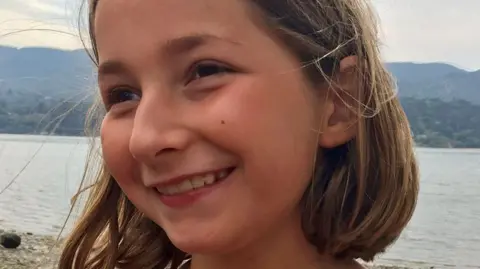
Martha Mills was 13 when she died following failings in her care
More than 1,700 calls have been made by NHS staff in England to Martha's Rule helplines to flag concerns about patient care, new figures show.
The helplines were set up after a campaign by the parents of 13-year-old Martha Mills who died after serious failings in her care.
The NHS is expanding the availability of the helplines across England.
Martha Mills, died at King's College Hospital in London in 2021 after developing sepsis. Her family's concerns were not listened to.
In 2022, a coroner ruled Martha would probably have survived if she had been transferred earlier to intensive care and given appropriate treatment
Martha's Rule encourages families, carers and patients to speak up if they notice changes in a patient's condition and to seek an urgent review from a critical care team if their health is deteriorating and concerns are not being listened to.
Under the scheme, clinicians also record daily insights about a patient's health directly from families.
Staff, including those in junior roles, can also ask for a review from a team independent of the one they work with.
The helplines have been available in 143 hospital sites in England since September 2024 and of the nearly 1,800 calls made by staff between then and February this year, over 1000 have helped identify serious deterioration of a patient's condition, says NHS England.
Mills stressed the importance of the calls coming from staff as they made use of the "non-confrontational" way to raise concerns.
She said the "extremely hierarchical" nature of medicine made it hard for junior staff to question their superiors.
"I've always said that I would have called the Martha's Rule number had it existed when she was in hospital.
"There was this one particular nurse who I think would have done it before me if it was available. I could tell that she was worried."
Mills said she thinks about what that nurse "might have done" had the helpline been available when Martha was ill in hospital.
Aidan Fowler, National Director of Patient Safety at NHS England, said while not every call led directly to a life being saved, the scheme had "proven its worth".
More than 500 patients were transfered to intensive care as a result of calls, Fowler says, and there have been some vital changes to treatment.
"Some of the really important treatments are antibiotics, fluids given on the ward. And there's about 1,500 people who've had changes of care like that, all of which are potentially affecting outcomes, saving lives."
The NHS is expanding the initiative to adult and child wards, with others settings including maternity, neonatal and emergency departments to follow.