.png)
 3 weeks ago
27
3 weeks ago
27
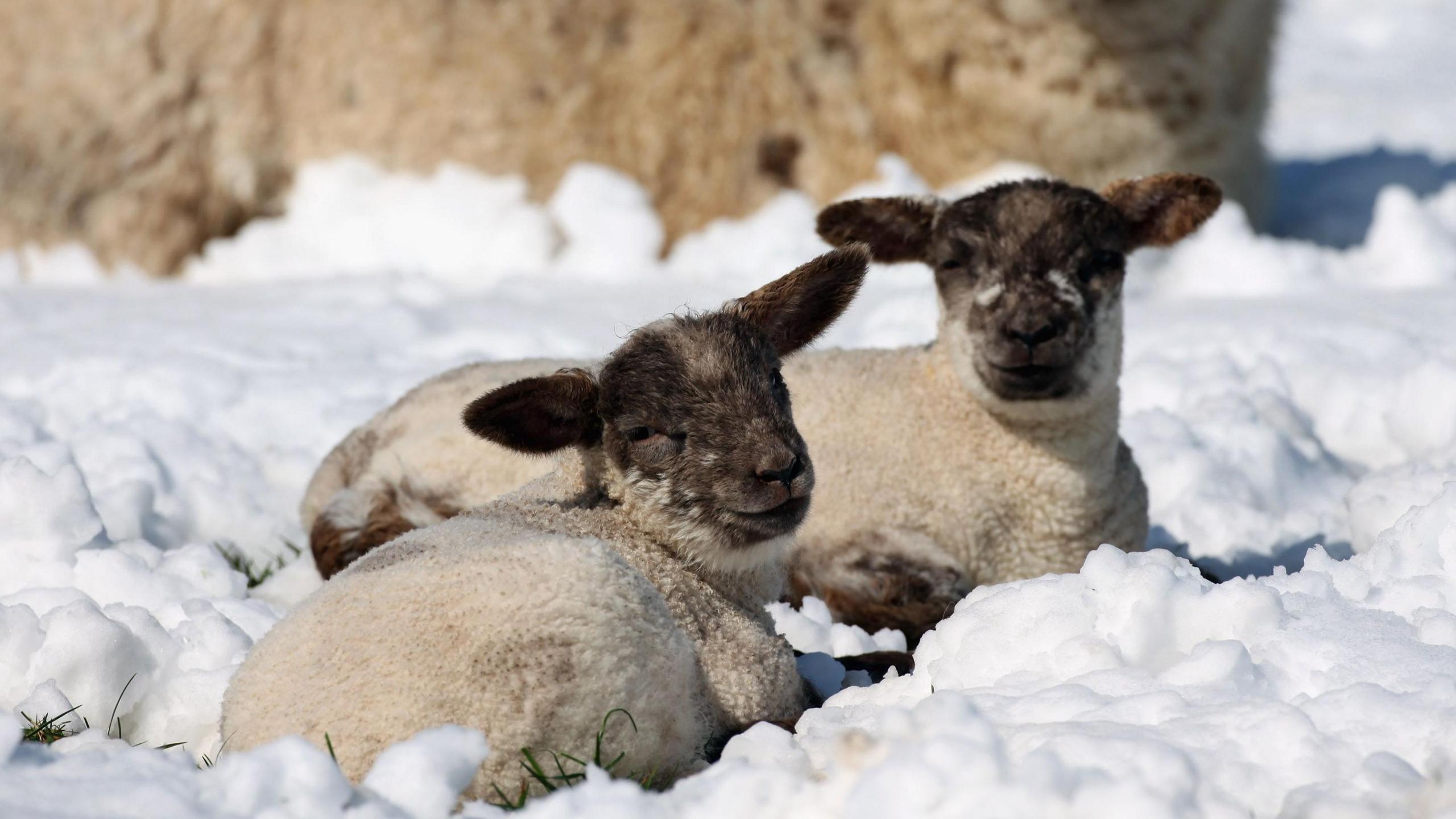 Image source, Matt Cardy/Getty Images
BySimon King and Sarah Keith-Lucas
Lead Weather Presenters
Have you heard that snow at Easter is just as common as it is at Christmas?
"Dreaming of a white Easter" does not quite have the same ring to it as the Bing Crosby classic. Although we do not have quite as many white Easters as white Christmases, the chances are not too dissimilar.
However, it is not an easy comparison to make.
As the date of Easter changes each year, we have to look back on a range of historical data from different dates, to compare with 25 December. Add to this that the Met Office does not routinely monitor white Easters in the same way as white Christmases (where a single flake of snow needs to be reported as falling at one of their weather stations during the 24 hours of Christmas Day).
Easter is always on the first Sunday after the first full Moon that follows the spring equinox. This can be as early as 22 March, or as late as 25 April. Since 1960, Easter has been in March for only 23% of the years.
According to the Met Office, over the past 30 years, we have seen 19 white Christmases compared with just seven white Easter Sundays.
If we take the average of number of days where snow falls in a month, March is actually snowier than December.
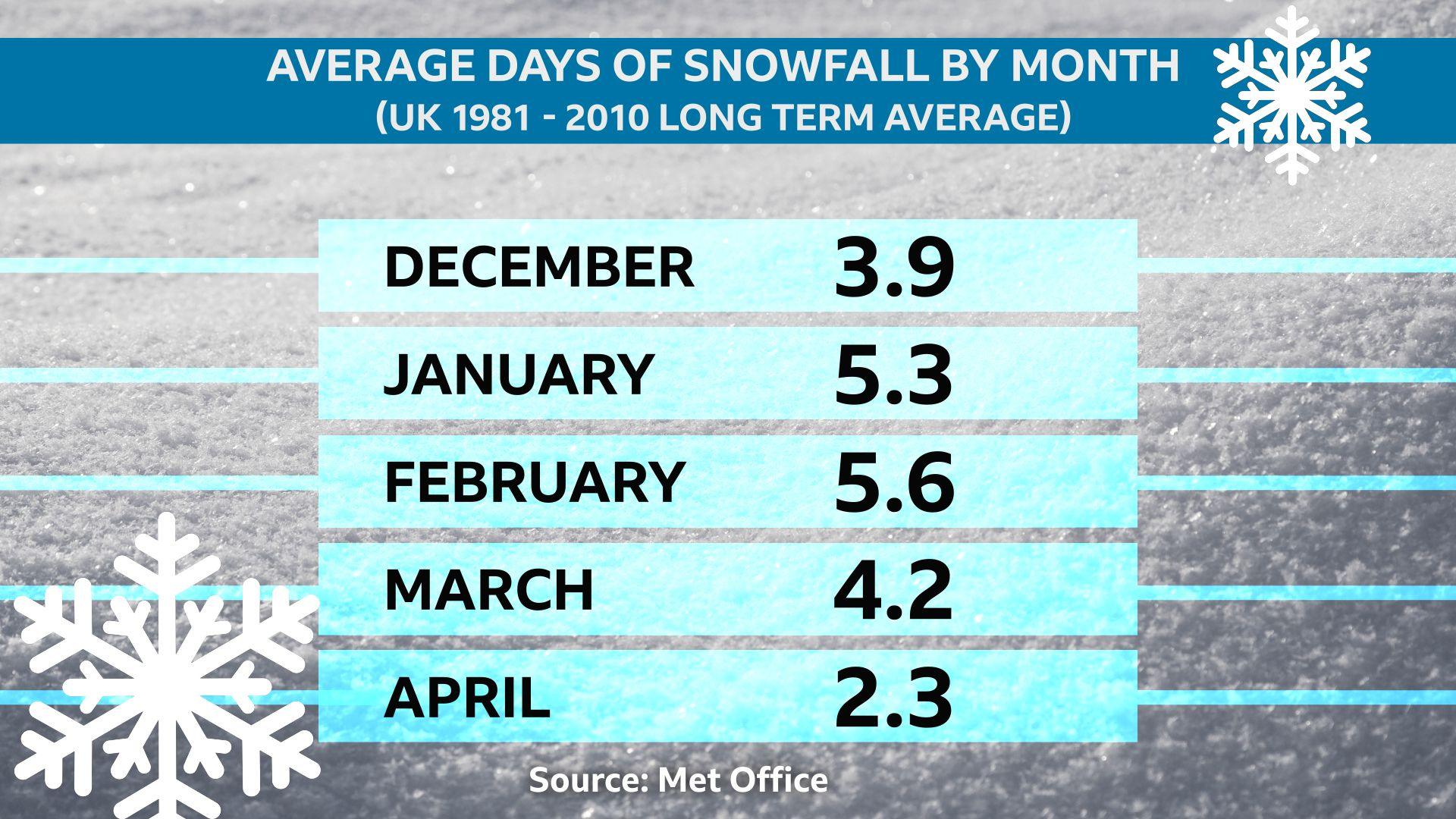
The Met Office has now stopped generating the long term average number of days of snowfall a month, so average data since 2010 is not included in the above table.
Using the 1981-2010 average of number of days where snow falls in a month, March sees 4.2 snow days whilst there are just 3.9 days on average in December.
The majority of Easter Days occur in April, when the chance of snowfall drops to just 2.3 days.
Taking that into account we can say that white Christmases and white Easters are about as frequent as each other when Easter is in March.
When snow does fall, it may be more inclined to settled during a March Easter compared to Christmas, as soil temperatures (away from the surface layer) are lower compared to December.
spring is a season of big weather contrasts and temperature swings. Days lengthen and the Sun gets stronger, but when cold air moves in from the north, we can be quickly plunged back into wintry weather.
So even when Easter falls in April, spring snow can still happen, especially over the higher ground of Scotland.
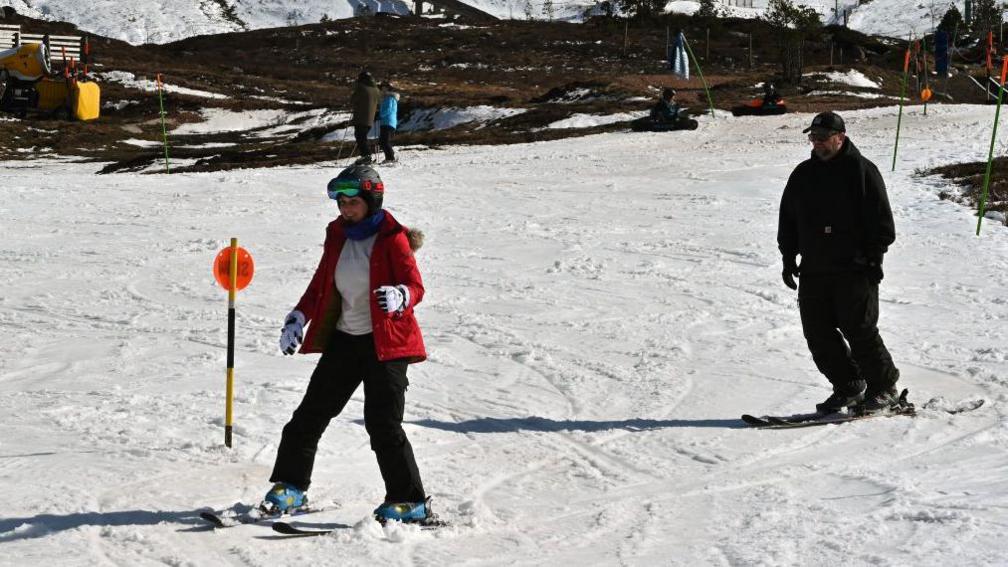 Image source, Getty Images
The Cairngorm ski area in Aviemore, Scotland at the start of the Easter weekend in March 2024.
In terms of falling snow, the snowiest Easter on record in the UK was in 1983 when Easter fell between 1-4 April. Snow was recorded in parts of Scotland, the Midlands and south-east England, leading to widespread travel disruption.
When looking at lying snow already on the ground, the deepest snow reported during an Easter weekend was in 2010, when Easter Friday saw 36cm (14in) reported from Strathdearn, Inverness-shire.
The coldest Easter Sunday on record was in 2014 when temperatures at Braemar in Aberdeenshire fell to -12.5C.
Will snow fall this Easter?
As Storm Dave clears away eastwards early on Easter Sunday, colder air will sweep across the country.
Snow showers are expected over the higher ground of Scotland throughout the day, with the chance of snow falling to lower levels in the north of the country during the morning.
Don't be surprised if there are also a few flurries of snow on the hills of northern England and north Wales early on Easter morning, before milder air starts to move in.