.png)
 1 month ago
26
1 month ago
26
Alex BishBBC South East Investigations

 Getty Images
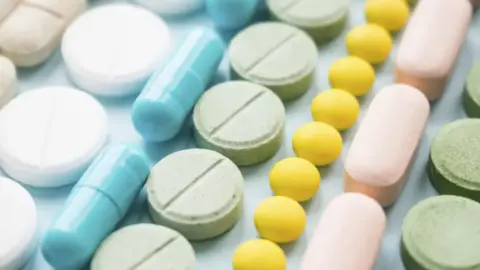
A total of 57 million doses of unauthorised medication have been confiscated by government agencies over the last five years
Patients who buy illicit painkillers, erectile dysfunction pills and other unlicensed medicines on the black market are risking their health, a doctor is warning, after millions of doses were seized.
Figures obtained by the BBC show more than 57 million doses of unauthorised medication have been confiscated in the UK by government agencies in the last five years.
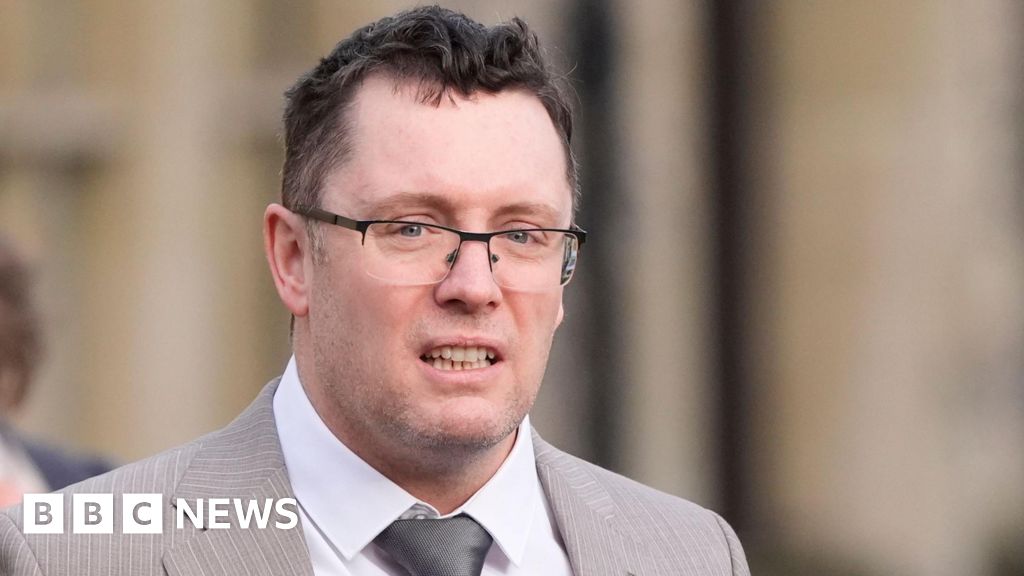
Julian Spinks, a GP in Medway, Kent, said there was a risk of buying a dummy pill, a completely different medication or the correct drug at the wrong dose.
The Medicines and Healthcare products Regulatory Agency (MHRA) said: "Products purchased in this way will not meet our strict quality and safety standards, and taking such medicines may put your health at risk."
Missed health checks
The seizures between 2020/21 and 2024/25 also included unlicensed painkillers, anti-anxiety medication and sleeping tablets.
More than 34 million doses were seized in the two most recent years, according to data released in a Freedom of Information request to the MHRA.
In the last year, unlicensed drugs for erectile dysfunction were the most common item seized.
Dr Spinks said he was not surprised some patients were buying the drugs online.
"A lot of them are very embarrassed and don't want to talk to their doctor about it," he said.
"However, they are missing out on the additional checks doctors do to make sure they can take it safely and to look for underlying causes.
"There's a good chance they're buying a dummy pill and they are wasting their money."
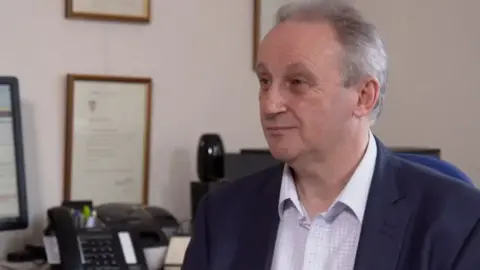
GP Julian Spinks says there is no way of knowing the dose of illegally traded medicine
The MHRA said the second most common medicine seized in the last financial year was the painkiller Tramadol.
Dr Spinks told the BBC there was an increasing reluctance in the NHS to prescribe the opiate because there were "more risks than benefits to long-term use".
"This drug does cause tolerance and addiction," he said.
"There can be considerable variation in the strength of the drugs, so there is a much bigger danger of overdose."
Masking symptoms
Another major concern is that these medicines can mask symptoms without treating the underlying problem, according to Surrey doctor David Triska.
He said: "Someone may feel temporary relief from pain, anxiety or insomnia, but the root cause remains unaddressed."
Dr Triska, who is a GP in Witley, said this could delay proper assessment and treatment and, in some cases, allowed serious conditions to worsen before help was finally sought.
"From a clinical point of view, we often end up seeing people later and sicker than we otherwise would," he said.
"There is also a widespread misconception that if something is easy to buy online, it must be safe."
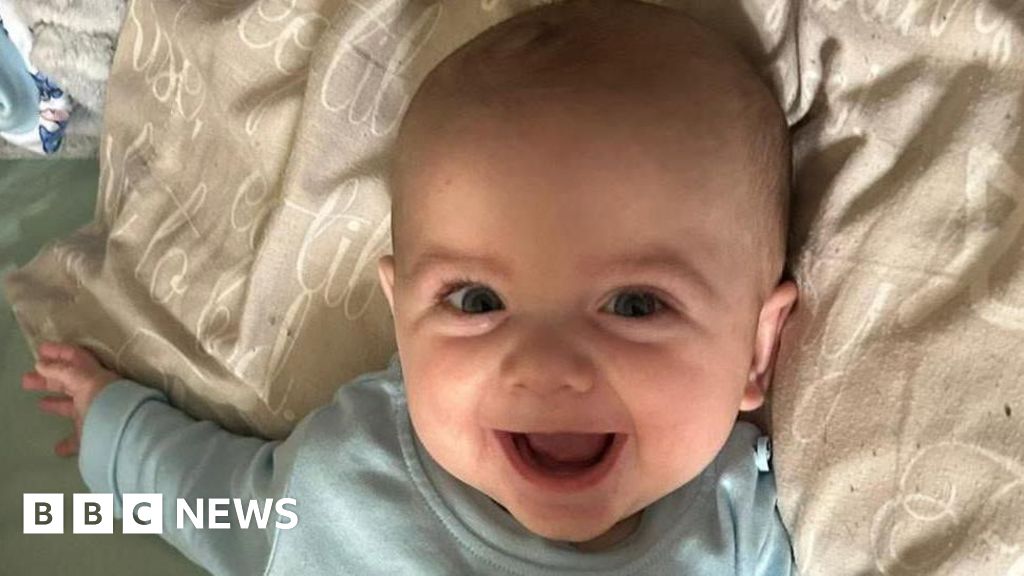
Kim Webster's 17-year-old son William Horley died in 2018 after taking Tramadol recreationally with a friend.
"It just breaks my heart still," she said. "Life is just so precious and being that person that's living through my son dying from drugs bought online, things need to change.
"You can get them [Tramadol] prescribed from a doctor. Why are they getting these online?"
Ms Webster, from Herne Bay, has since given awareness talks to tens of thousands of pupils on behalf of the Kenward Trust, a Kent-based charity.
She said: "I'm shocked at the age they actually know about [drugs]. There are some children so switched on with what is out there and how to use things and how to get them, it's so scary."
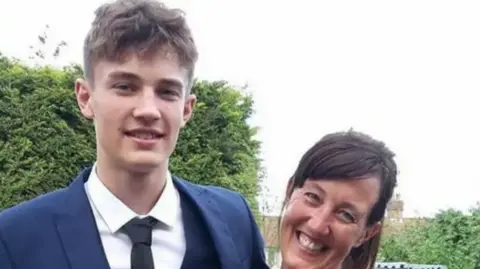 Kim Webster
Kim has campaigned about drugs awareness since her son William Horley died aged 17
The MHRA seizes drugs which are counterfeit, sold illegally without a prescription, or genuine medicines which do not have a licence for use in the UK.
The government agency said the biggest challenge was from medicines that were unlicensed or unapproved for use in the UK, which were often smuggled into the country across borders.
"Buying any medicine from unauthorised suppliers significantly increases the risk of getting a product which is either falsified or not licensed for use in the UK," said Andy Morling, MHRA's deputy director of criminal enforcement.
"We will continue to work closely with law enforcement agencies, international partners and others to prevent the illegal supply of medicines and to protect patients."
The government recently launched a new awareness campaign about the risks of taking drugs, including the use of counterfeit medicines.