.png)
 3 weeks ago
45
3 weeks ago
45
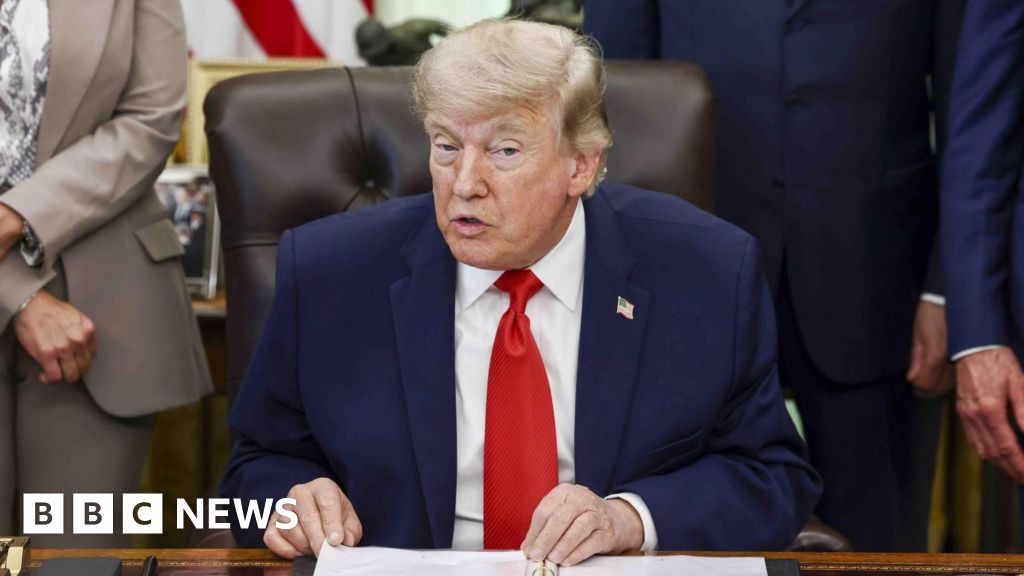
A US judge has voided a legal agreement between President Donald Trump and federal agencies that granted him immunity from tax audits and allowed his administration to create a since-abandoned $1.8bn (£1.3bn) "anti-weaponisation" fund.
The fund, intended to compensate individuals claiming they were unfairly targeted by the government, was unveiled in May in exchange for Trump dropping his personal $10bn lawsuit against the Internal Revenue Service (IRS).
But on Monday, US District Judge Kathleen Williams said the suit was filed for an improper purpose.
She also referred a Trump lawyer to state authorities to determine whether ethics rules were violated and disciplinary action required.
In the ruling, Williams cast Trump's lawsuit - which he, two of his sons and the Trump Organization filed in 2026 - as far from a dispute between two opposing sides. Instead, she described it as more of an action carried out by lawyers with ties to Trump and those who claimed to have been government targets.
Williams wrote the lawsuit "was never about a party seeking judicial resolution of a legal issue or a factual dispute" between Trump and the IRS, which he controls as president.
She also described the settlement as a bid to "provide some legitimacy to an agreement to confer immunity to people and entities affiliated with the President and to earmark billions of dollars from American taxpayers to redress grievances not defined in the law."
The decision also prevents those involved with the case - including Trump and his sons - from referring to the settlement or citing its terms in future legal proceedings. This, in turn, could mean that the IRS can move forward with future audits into Trump's tax claims.
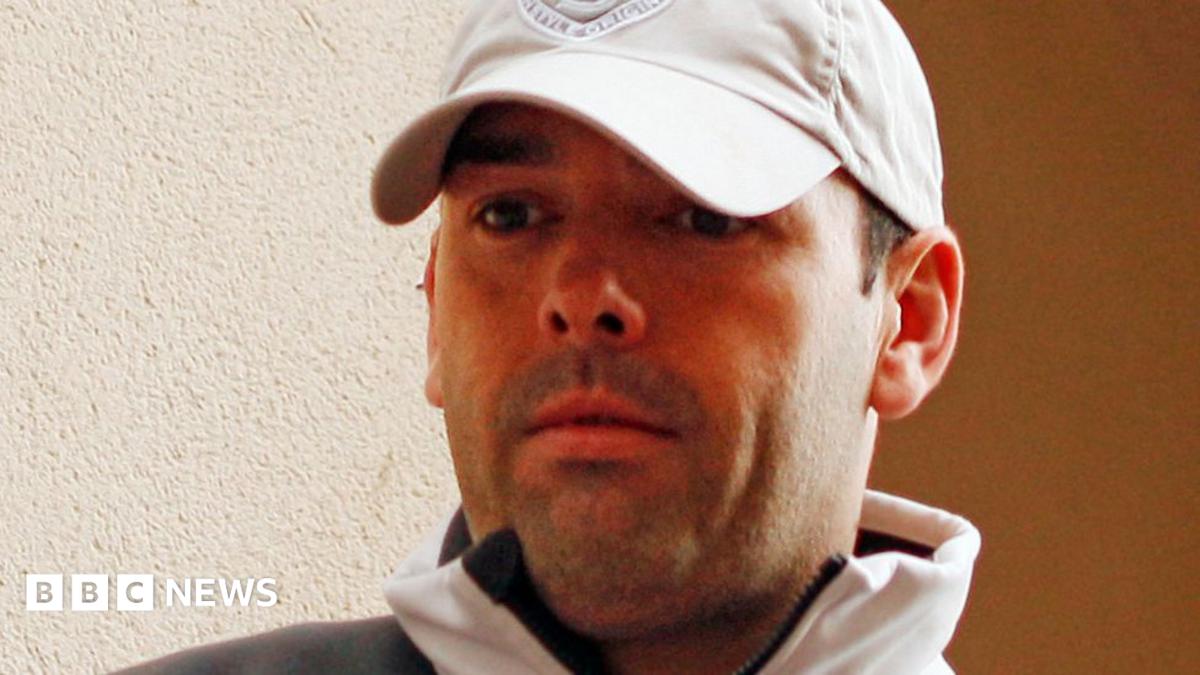
In the initial lawsuit, Trump claimed that nothing had been done to prevent the leak of his private tax information by a former IRS contractor, Charles Littlejohn.
Just before the 2020 presidential election, which Trump lost, the leaked information formed the basis of a New York Times investigation that revealed he paid only $750 in federal income taxes the year he won his presidency in 2016, and no taxes at all in 10 of the previous 15 years.
"President Trump did not pursue his claims until he once again occupied the White House and had appointed his former lawyer, and the former lawyer of persons who are putative beneficiaries of the 'Anti-Weaponization Fund' to prominent positions in the DOJ," Williams wrote, referring to the Department of Justice.
"These officials then negotiated on behalf of the United States, with his current lawyers, including his former White House Counsel to reach a 'settlement.' It is risible to suggest that there was ever adverseness between the Parties," she added.
One of Trump's attorneys, Alejandro Brito, was also referred to the Florida bar for potential disciplinary action, while a second lawyer, Daniel Epstein, will now be unable to join cases in the Southern District of Florida for at least a year.
In a statement to the BBC, a spokesman for Trump's legal team said the IRS "wrongly allowed a rogue, politically-motivated employee to leak private and confidential information" to the media.
"President Trump continues to hold those who wrong America and Americans accountable," the spokesman added.
Calling the agreement a "sweetheart deal" for Trump that had given him "unauthorized and unprecedented" exemptions from tax audit rules, Tax Law Center Policy Director Brandon DeBot said it had gone against "the tax system's protections against political interference".
"The court's decision is important, but does not remove the need for congressional action to nullify the entire deal and to prevent any similar attempts at presidential self-dealing in the future," he added in a statement to the BBC.
Based at New York University, the centre provides legal analysis of tax and public policy.
Plans for the proposed "anti-weaponisation" fund were abandoned in early June, just one week after another judge temporarily prevented justice department officials from implementing it.
That order came down after two men who alleged the fund was discriminatory filed a lawsuit in Virginia. The plaintiffs said they had been targeted for political retribution by the Trump administration but believed they would not be allowed to file claims for compensation.
The widely criticised plan prompted alarm among Democrats - and some Republicans - who argued it could result in payment to people who were prosecuted over the US Capitol riot on 6 January 2021, including those convicted of assaulting police officers.