.png)
 1 hour ago
1
1 hour ago
1
Charlotte Scarr,in Bangladeshand Becky Morton,political reporter
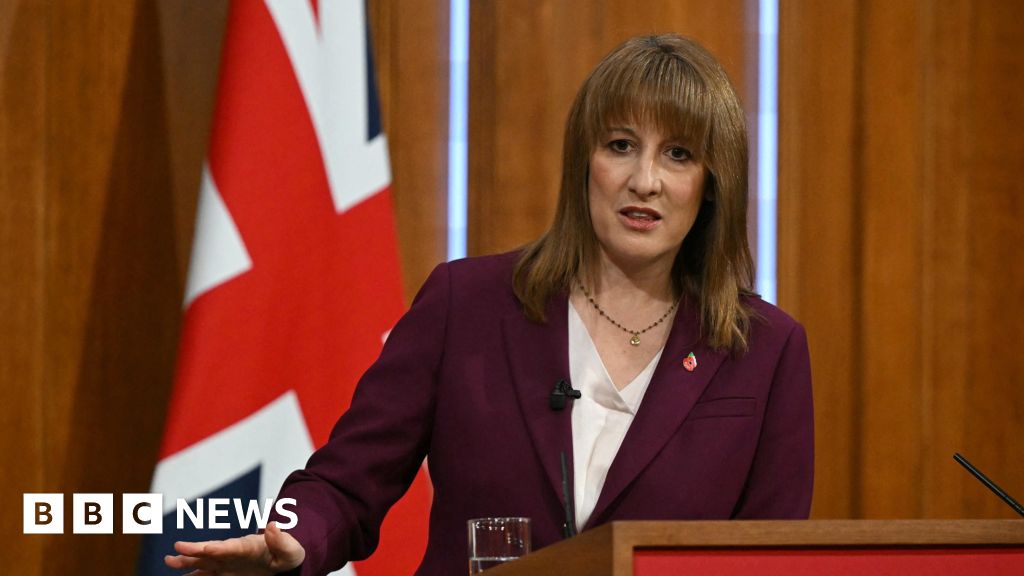
Labour MP and former minister Tulip Siddiq has described her two year prison sentence in Bangladesh as "deeply unfair" after a court convicted her in her absence on corruption charges.
She was found guilty of influencing her aunt, Bangladesh's ousted Prime Minister Sheikh Hasina, to secure a plot of land for her family in the outskirts of the capital Dhaka, a claim she strongly denies.
Siddiq, who is based in London and has rejected the charges, is unlikely to serve the jail term.
The Labour MP said the process had been "flawed and farcical from the beginning to the end".
"I'm absolutely baffled by the whole thing - I've still had no contact whatsoever from the Bangladeshi authorities despite them spreading malicious allegations about me for a year-and-a-half now," she said.
"There's been absolutely no summons sent to me, there's no charge sheet, I've had no correspondence from them - I'm not difficult to find, I'm a parliamentarian."
She said she had engaged lawyers in the UK and Bangladesh.
"I feel like I'm in some sort of Kafkaesque nightmare," she added.
"The only reason I know I'm being convicted is because I read it in the newspapers. So this is trial by media, which is deeply unfair."
Since Hasina's regime was overturned, prosecutors in Bangladesh have launched a number of wide-ranging legal cases against the former leader, her past associates and family members.
The trial involving Siddiq - who quit as a Treasury minister in January over controversy around her ties to her aunt - has been playing out in Dhaka since August.
Siddiq continues to face a number of outstanding charges.
Court documents included claims that Siddiq "forced and influenced her aunt and the former Prime Minister Sheikh Hasina using her special power to secure [a plot of land] for her mother Rehana Siddiq, sister Azmina Siddiq and brother Radwan Siddiq".
A prosecutor for Bangladesh's Anti-Corruption Commission (ACC) previously said Siddiq was tried as a Bangladeshi citizen as authorities had obtained her Bangladeshi passport, ID and tax number.
Siddiq's lawyers have disputed she is a Bangladeshi citizen, telling the Financial Times she has "never had" an ID card or voter ID, and "has not held a passport since she was a child".
She was sentenced by Judge Rabiul Alam to two years in prison and a 100,000 Bangladeshi Taka fine ($821; £620). If she fails to pay, six months will be added to the sentence.
When the trial began, the MP said prosecutors had "peddled false and vexatious allegations that have been briefed to the media but never formally put to me by investigators".
A statement on her behalf continued: "I have been clear from the outset that I have done nothing wrong and will respond to any credible evidence that is presented to me. Continuing to smear my name to score political points is both baseless and damaging."
A Labour spokesperson said the party could not recognise the judgement.
"As has been reported, highly regarded senior legal professionals have highlighted that Tulip Siddiq has not had access to a fair legal process in this case and has never been informed of the details of the charges against her," the spokesperson said.
"This is despite repeated requests made to the Bangladeshi authorities through her legal team.
"Anyone facing any charge should always be afforded the right to make legal representations when allegations are made against them."
It is understood Siddiq is not subject to investigation or party disciplinary proceedings and retains her Labour Party membership and the Labour whip in the House of Commons.
Last week, a group of senior lawyers raised concerns with Bangladesh's representative in the UK over how the trial had been conducted.
Signatories to that statement included ex-Justice Secretary Robert Buckland, former Attorney General Dominic Grieve, and Lady Cherie Blair, a human rights lawyer and wife of former Prime Minister Sir Tony Blair.
In a letter first reported by the Guardian, they said Siddiq had not been able to secure proper legal representation during the trial, adding: "Such a process is artificial and a contrived and unfair way of pursuing a prosecution."
The verdict comes two weeks after Hasina was sentenced to death in a separate trial over her role in a brutal crackdown against the protests which ultimately forced her from office in July 2024.
She was found guilty of crimes against humanity over the deaths of an estimated 1,400 people at the hands of the police.
That trial was held in Hasina's absence, as she has been in exile in India since being ousted. She denied the charges.
Siddiq, whose mother is the former prime minister's sister, continues to face a number of outstanding charges in Bangladesh, including two ongoing trials in relation to the allegations at the centre of Monday's verdict.
She is also being investigated over the alleged transfer of a flat located in a lucrative area of Dhaka to her sister.
Siddiq and her family have also been investigated in relation to allegations of embezzlement around a £3.9bn deal in 2013 connected to a Russian-funded nuclear power plant deal.
Siddiq has repeatedly denied wrongdoing in relation to the allegations, which originated with claims made by Bobby Hajjaj, a political opponent of Hasina.
Bangladeshi authorities have said they estimate that around $234bn (£174bn) was appropriated through corruption during Hasina's reign.
Responding to the latest verdict, the Awami League, the political party which Hasina leads, described it as "entirely predictable" and "firmly denied" the allegations against the former prime minister and her family members.
"The process fails to pass any reasonable test of judicial fairness - a point that has been made forcefully by both local and international legal experts," the party said.
Hasina also accused Bangladesh's judiciary of being controlled by an "unelected government run by the Awami League's political opponents", namely the interim government headed up by Dr Muhammad Yunus.
Prior to Siddiq's resignation from the British government, Prime Minister Sir Keir Starmer's independent ethics adviser Sir Laurie Magnus said he had not found "evidence of improprieties" following an investigation.
However, he said it was "regrettable" Siddiq had not been more alert to the "potential reputational risks" of her ties to Hasina.
While Siddiq continued to insist she was not guilty of any wrongdoing, she quit her junior ministerial role in order not to be a "distraction" for the government.
The UK does not have an extradition treaty in place with Bangladesh. It is categorised as a 2B country, meaning clear evidence needs to be presented to lawyers and judges to authorise any extradition.
Siddiq was not compelled to return to Dhaka for the trial despite authorities there issuing an arrest warrant.