.png)
 1 month ago
69
1 month ago
69
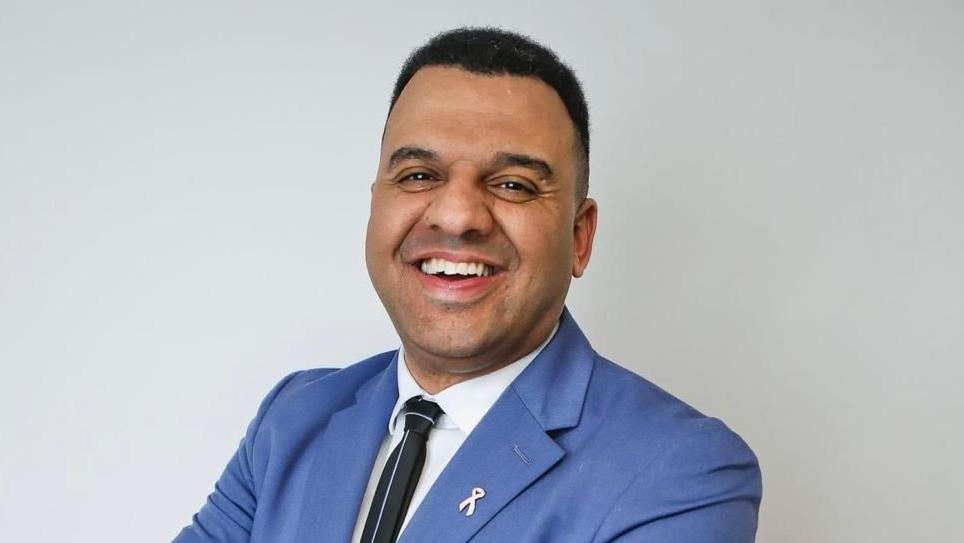 Image source, Jacquelyn Stanley
Clive Lawrence has been part of a drive to widen access to the honours system
"I always had the perception that you only got an honour if you were rich or famous," says Clive Lawrence.
His start in life had been free school meals and growing up on a council estate in Derbyshire, but the former head teacher has now been made an Officer of the British Empire (OBE).
He's part of a quiet revolution in the honours system, which has deliberately sought to make the awards less socially exclusive and to have a fairer spread of winners around the country.
That change followed an analysis by the BBC last year of the New Year Honours in 2025 which showed that among higher winners - such as Commanders of the British Empire (CBE), knighthoods and damehoods - only 4% of recipients had grown up in working class backgrounds.
Cabinet Office figures for the New Year Honours 2026 show that for higher awards that has now risen to 31%, a record level.
Across all levels of honours at New Year 2026, 38% of recipients were from working class backgrounds, matching the national figure of 37%.
These are record levels of awards for people from less wealthy backgrounds - and more than double the amount from five years ago.
The gap has also narrowed in the share of awards between London and the rest of the country, according to data from the Birthday honours, published last week.
The mechanism for change has been the Honours Diversity and Outreach Committee, created last year with the job of making the awards better reflect UK society.
Lawrence is part of this new committee, which is encouraging a wider range of nominations. A member from this diversity committee sits on each of the other committees that sift through names that have been put forward.
He says awards should be for "everyday people doing extraordinary things" - and his own OBE was for his work in education, where he particularly focused on helping children with special needs.
The quality of those receiving honours has to remain as high, he says, but there needs to be an overall picture of more even representation.
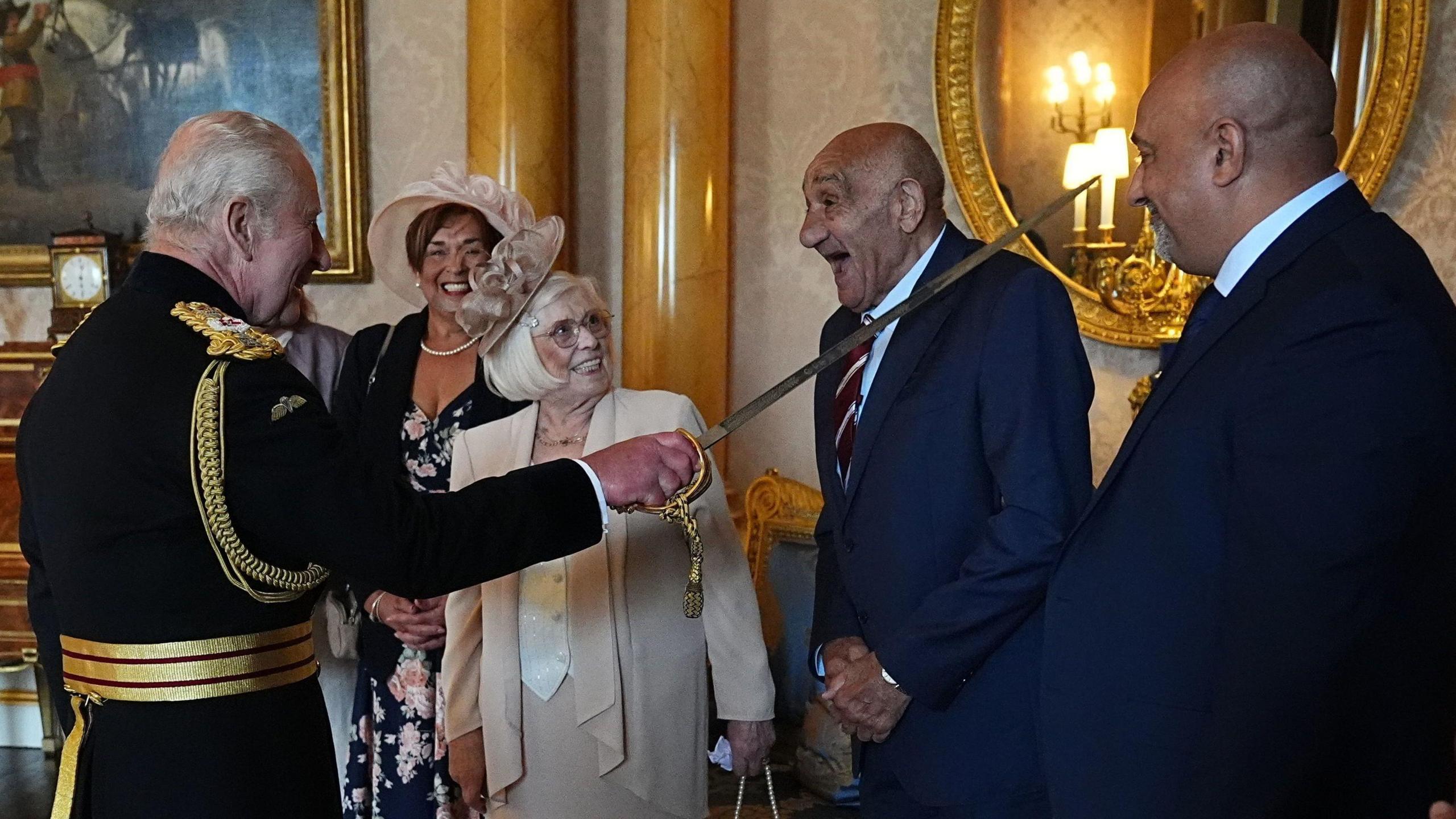 Image source, PA Media
There had never been a rugby league player knighted until Sir Billy Boston last year
While the press focuses on celebrity award winners, Lawrence says he was glad to showcase people like Michael Akers a "young lad with a disability... who set up a charity advocating for other children".
Akers, made a Member of the British Empire (MBE) last month, has a speech disability and has campaigned for schools to provide access to speech therapists.
Lawrence also highlighted the British Empire Medal (BEM) in the Birthday honours for Ally Outten from Llandudno in North Wales who runs a project "lending prom dresses to families who couldn't afford it".
"I got really emotional about that because I remember as a child that came from a disadvantaged background, my mum struggled to buy me the shirt and tie," he says.
There's been a shift away from those running multinational banks to those running food banks, or in the case of Sali Hughes, who was awarded an MBE this year, for setting up "beauty banks", which began in Dundee in Scotland.
They work to tackle hygiene poverty, helping people in 100 of the most deprived parts of the UK to have access to products such as shampoo, washing powder and toothpaste.
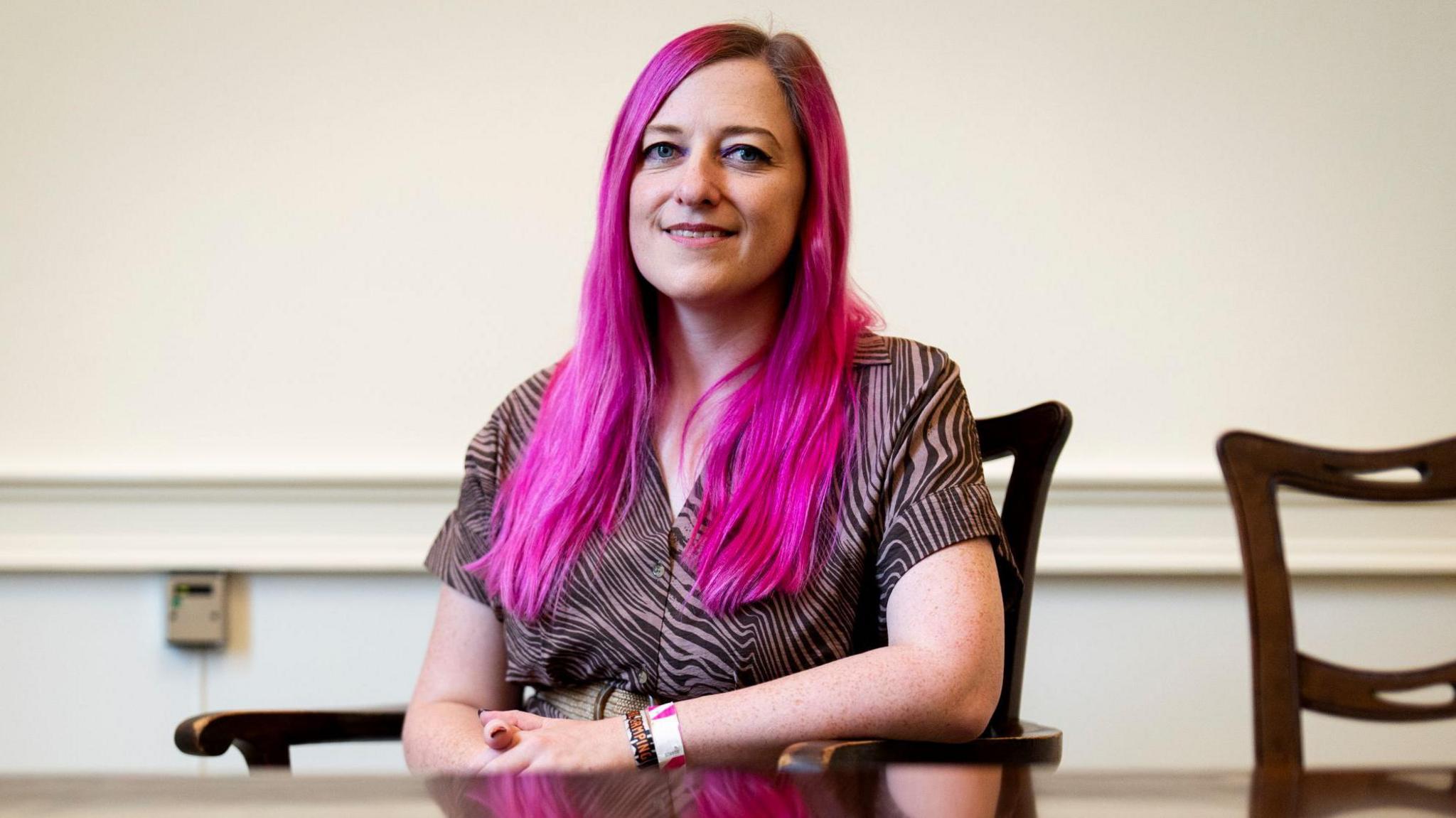 Image source, PA Media
Ally Outten received an honour for lending prom dresses to struggling families
Last month Alexander Rigby from Bootle received a BEM for raising funds for supporting domestic abuse victims, by running ultra-marathons in Merseyside.
This push for the honours to be more representative, socially and geographically, has been driven by the Cabinet Office.
It applies to the awards the government department oversees - which is the main New Year and Birthday honours, about 1,200 people each time, including knighthoods, damehoods, CBEs, OBEs, MBEs and BEMs.
It doesn't apply to political appointments - such as the peerages announced by the outgoing Prime Minister on Thursday or the military and international honours lists.
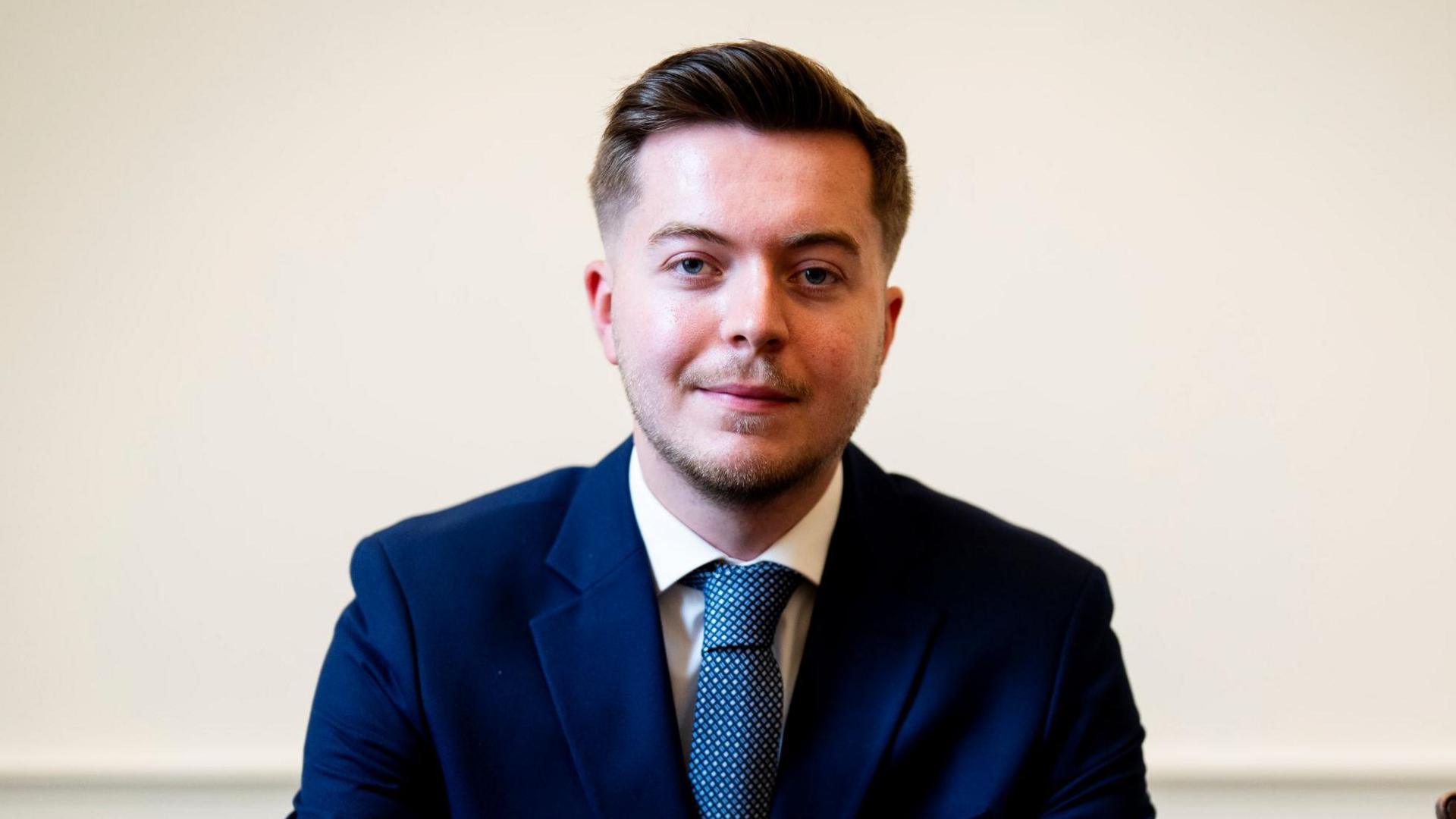 Image source, PA Media
Michael Akers was honoured for his charity work to provide more speech therapists
The drive to be more representative applies to a geographical spread, as the BBC's research last year showed at New Year 2025 the north of England only accounted for 6% of higher award winners, despite having 23% of the UK's population.
The most recent evidence, based on the 2026 Birthday honours, shows the figure for higher awards in the north of England has more than doubled to 13%.
But it's still significantly below the share of population - and Scotland, Northern Ireland, Wales and most English regions are under-represented.
That's because of the domination of London and the south east of England, which in these most recent awards accounted for 56% of higher honours, while having 27% of the UK's population.
Lawrence says that his appointment to the committee was helped by not being from the capital or the south east.
In the New Year 2026 awards:
women received 50% of higher awards
15% of award winners had a disability
10% of award winners were from ethnic minorities
5% of award winners were LGBTQ+
There has been a push to widen the pool of nominations. That includes using different networks to find people, such as social media and LinkedIn rather than the contacts of the Lord Lieutenants, the King's local representatives.
The need for more nominations for people with disabilities has also been highlighted - as the current proportion of honours is still substantially below the 22% share of the population.
The past year has seen some honours blindspots tackled. The traditionally working class, northern sport of rugby league had never had a representative knighted in 130 years, prompting claims of snobbery.
That changed last summer with a knighthood for Sir Billy Boston.
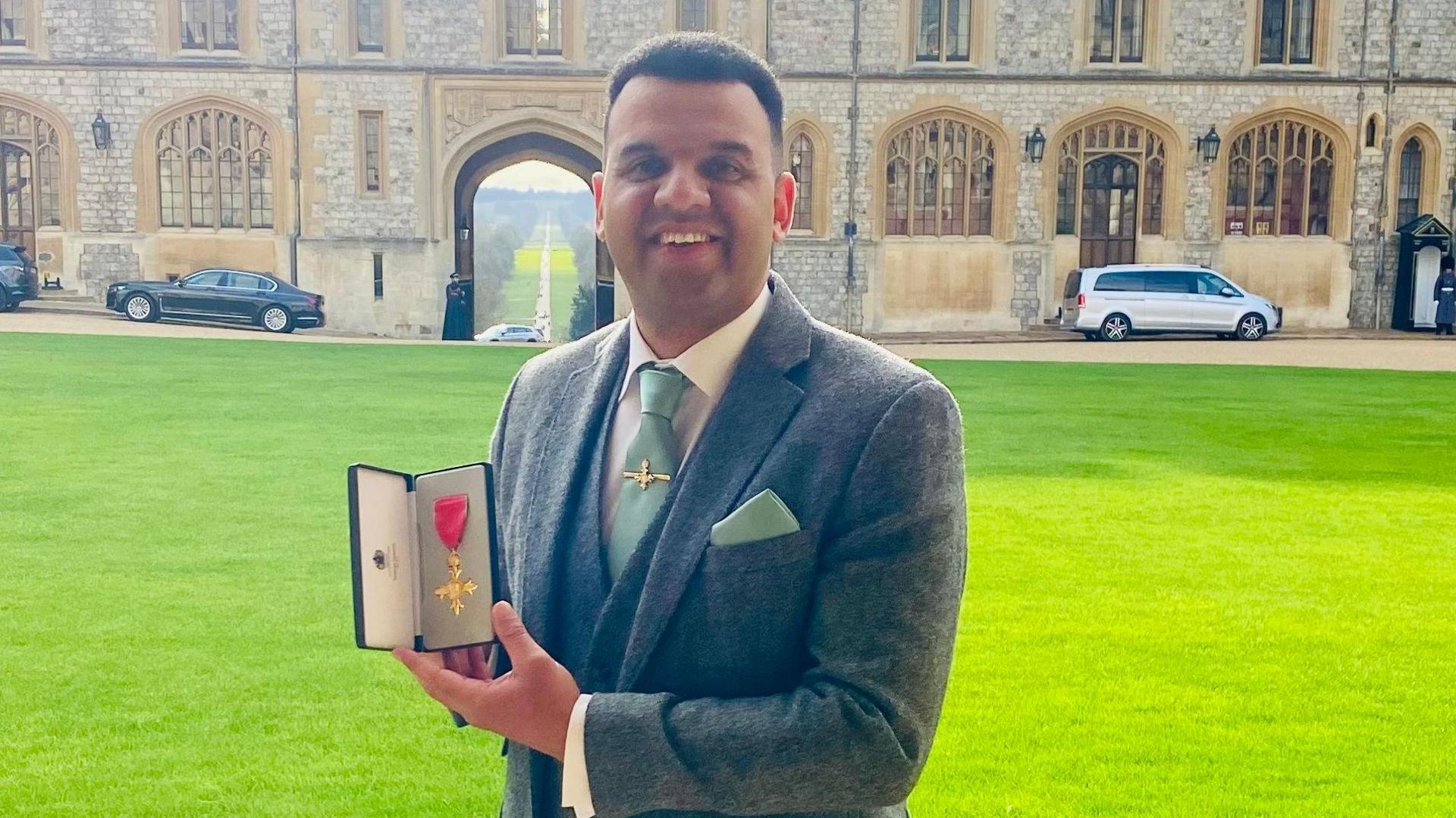 Image source, Clive Lawrence
Clive Lawrence with his OBE for his work for education
Lawrence says there is a challenge to tackle people's negative perceptions about who is likely to be accepted for an award.
"When I got my honour I was absolutely thrown, because I saw myself as an ordinary guy, I grew up on a council estate, I was on free school meals as a kid, so I never thought in a million years it would be someone like me," he said.
The political use of honours - such as the handing out of peerages this week - might still challenge that sense of equity.
There is also the question about whether it's the same people getting repeated honours.
A parliamentary question by Lord Blunkett revealed that 53 of last month's Birthday honours went to recipients who had previously had an award.
But Clive Lawrence says an honours system which reflects a wider range of backgrounds is a way to "send a powerful message that it is contribution, not circumstance, that truly matters".
Bridget Phillipson, Minister for Women and Equalities, said: "We are particularly pleased to see more people from all walks of life being recognised this year."
She said the honours system should reflect a country "where talent, contribution, and hard work matter far more than your socio-economic background".