.png)
 1 month ago
54
1 month ago
54

 PA Media
Businesses in Canterbury have told the BBC less people are around following the outbreak
The number of meningitis cases has fallen following an outbreak in Kent that left two young people dead, the UK Health and Security Agency (UKHSA) has said.
Total confirmed or suspected cases have dropped from 34 on Saturday to 29, with some initially confirmed cases being reclassified following tests.
The updated figures come after a suspected case was linked to EKC Canterbury College, bringing the number of educational institutions with confirmed or suspected cases to six.
Dr Sherine Thomas said the UKHSA remained "vigilant" and was working with NHS England and local officials across the country to respond "as quickly as possible" if new cases were identified.
The agency said it expected some "probable cases" to be downgraded in the coming days.
Dr Anjan Ghosh, director of public health at Kent County Council, told BBC Politics South East that a total of 20 cases had been confirmed and nine were probable.
Sixteen of the 20 confirmed cases were university students and four were secondary school students, he said.
Juliette Kenny, a sixth form pupil at Queen Elizabeth's Grammar School in Faversham, was one of the two young people to die from the infection last weekend. The second was an unnamed University of Kent student.
Other schools in the Canterbury area with confirmed or suspected cases are Norton Knatchbull School in Ashford, Simon Langton Grammar School for Boys in Canterbury and the Canterbury Academy.
The UKHSA has written to students at EKC Canterbury College asking them to be alert to the signs and symptoms of the disease.
Close contacts of the person affected are being offered antibiotics, it said.
The college was closed on Sunday but students "can continue to attend college as normal", the agency said in the letter, seen by the BBC.
Some businesses in the city have told the BBC they have seen a decline in footfall as students "hide in their bedrooms".
 PA Media
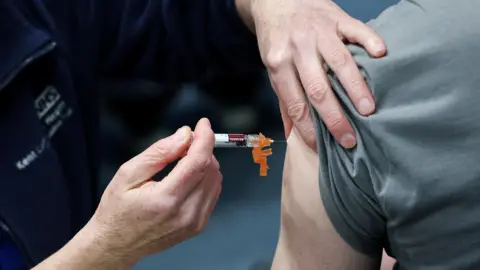
Thousands of people have queued to get the vaccine throughout the week
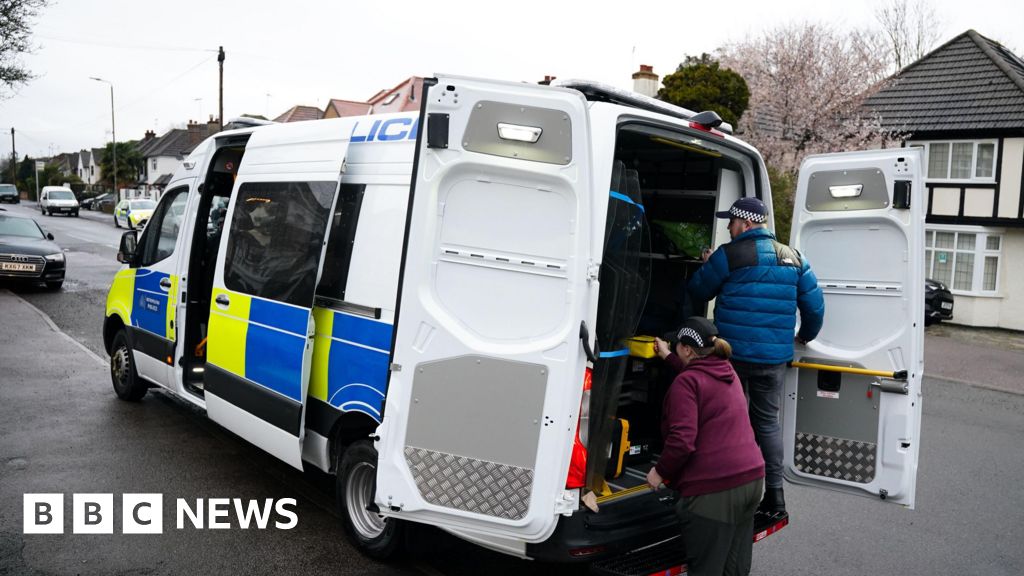
The UKHSA has rolled out a targeted vaccination programme against Meningitis B (MenB), which can be life-threatening, with bacteria invading the lining of the brain and poisoning the blood.
More than 8,000 people have received jabs and some 12,150 people have also been given antibiotics, as of Saturday.
The MenB vaccination offers the "best longer-term protection" but "taking preventative antibiotics is the most important immediate action in response to the current outbreak", said the UKHSA.
A University of Kent student, who had returned home following the outbreak, said he got up at 04:00 GMT on Friday to drive from Ipswich with his mum to get the vaccine.
 Supplied
Thompson said he felt "panic" when the outbreak was first announced
Prof Shamez Ladhani, from UKHSA, previously told the BBC he was confident the outbreak was being controlled.
"We're not talking about flu or Covid, where the virus designs itself to be spread through coughing and sneezing," he said.
He added there was only a "baseline risk" to the public.
Routine vaccinations against MenB only began to be rolled out in 2015, meaning the current generation of students and others in their late teens are not protected.
Health secretary Wes Streeting said last week he would seek advice from the Joint Committee on Vaccination and Immunisation on whether the vaccine should be made more available.