.png)
 3 weeks ago
47
3 weeks ago
47
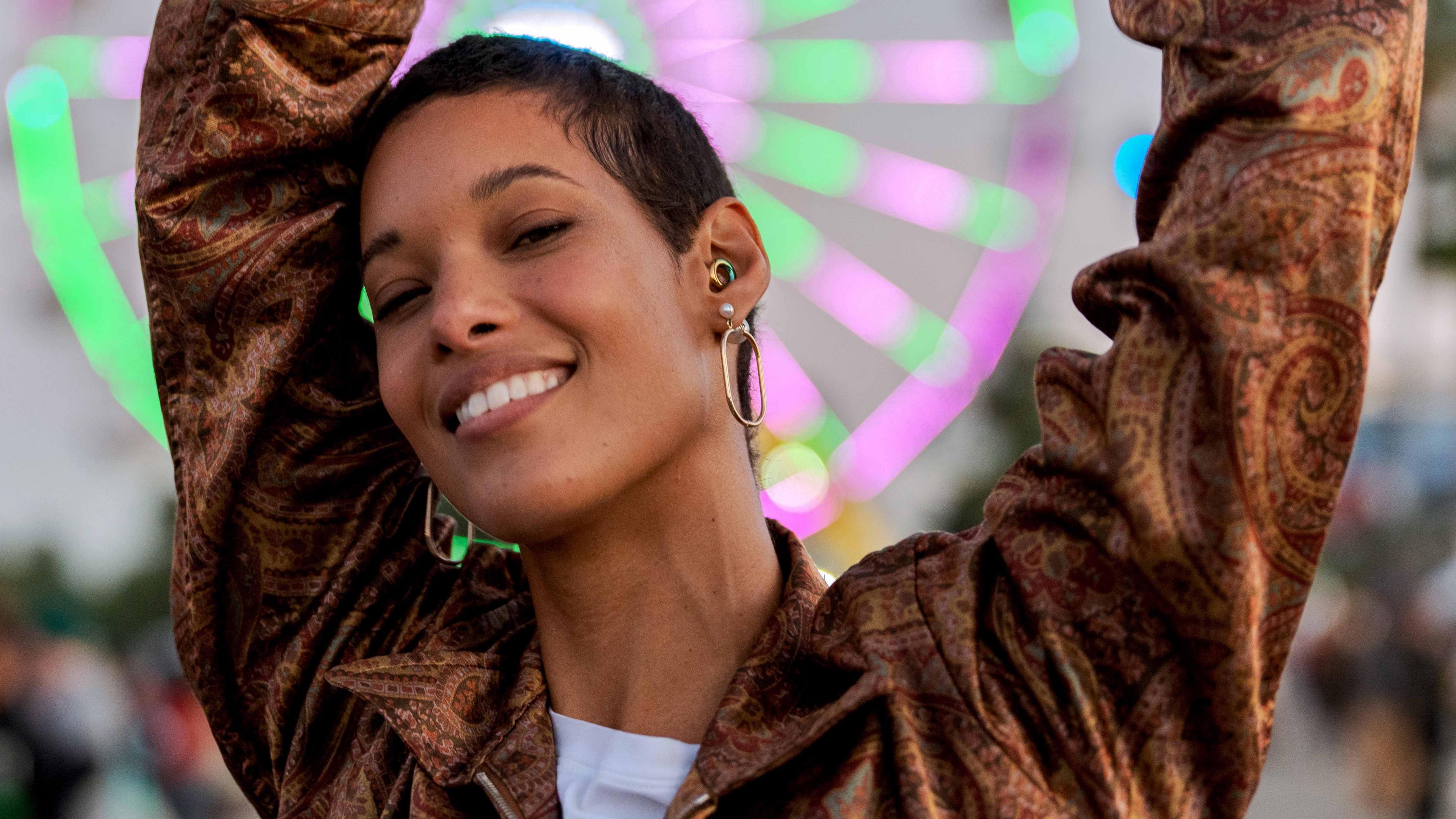 Image source, Loop
Ear-plug brands are appealing to music fans with the promise of hearing protection
ByAndrew Rogers
BBC Newsbeat
Every music fan has a list of essential gig and festival accessories, but there's one that's increasingly popular.
Ear-plugs.
If you've caught one of Harry Styles' recent Wembley shows, you might have spotted other fans wearing them, or you might be packing a pair in preparation for K-pop megastars BTS hitting the UK next week.
When 26-year-old Paula shows BBC Newsbeat hers at Radio 1's Big Weekend, the small, v-shaped devices catch the sunlight.
It's no secret that exposure to loud music can damage your hearing, and small foam ear-plugs have long been available at venues.
But Paula and other young people like her are increasingly wearing a newer type designed to look fashionable while also adding protection from harmful noise.
She's become more aware of looking after her hearing after being at music events for her job, and says she always wears them at live gigs and festivals.
The makers also claim certain designs can filter out unwanted noise to make acts on-stage sound clearer, something Paula says she's experienced.
"They drown out the crowd a little bit and bring down the bass, because sometimes it can be really overwhelming and you can't hear properly", she says.
Looking around this festival, Paula definitely isn't alone.
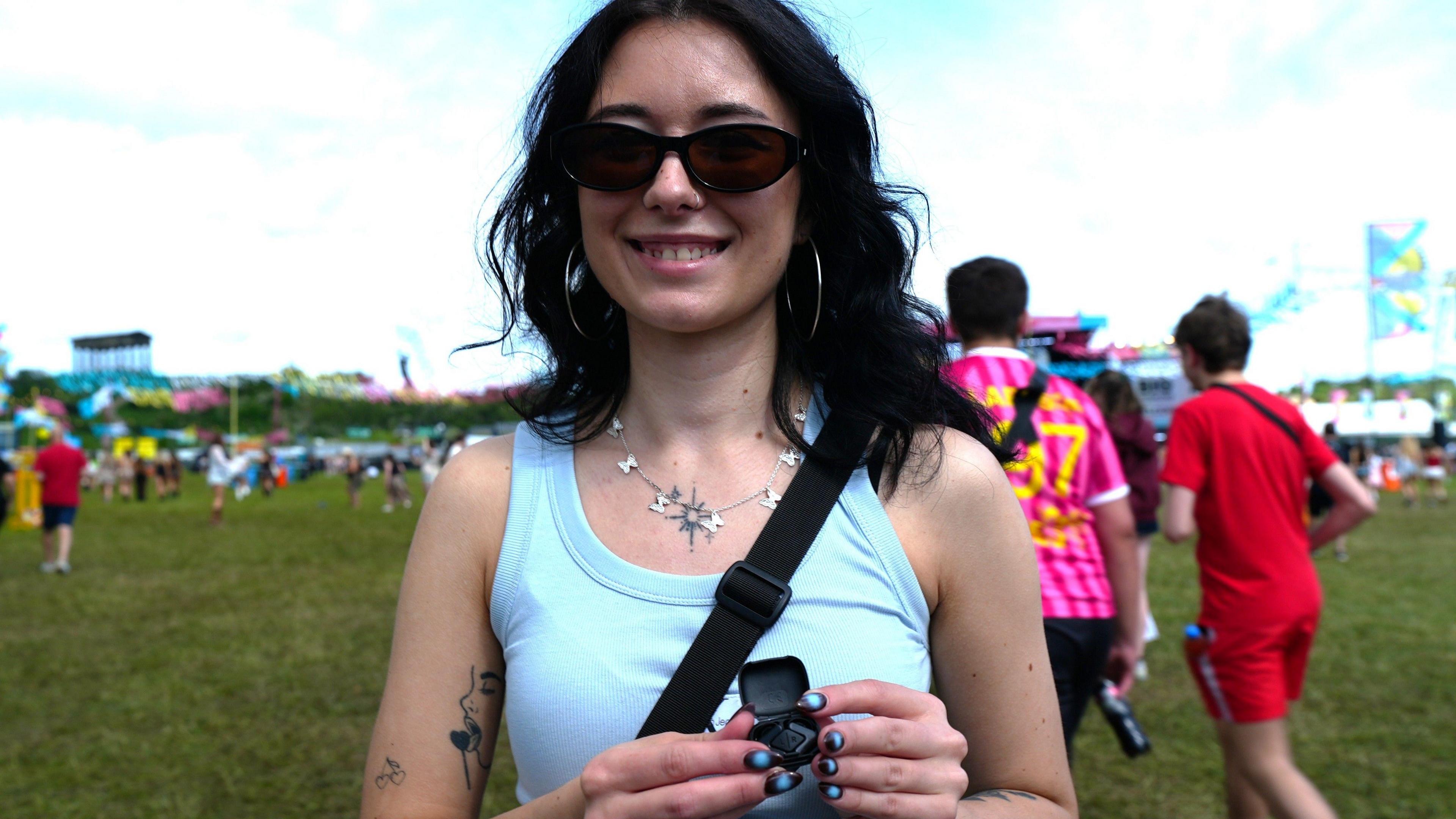
Paula says she thinks live music can sound better using some types of ear-plugs
"I feel like most of my friends are talking about trying to protect their hearing a bit more," says Amira, 21, speaking at Radio 1's Big Weekend.
"I think it's more of a common thing coming up".
In recent years, brands such as Loop, Alpine and Hears have become more prevalent among gig-goers.
The companies position themselves as lifestyle brands and appear to spend big on social media ads targeting young music fans.
They attempt to give their products sleek designs, offered in a range of colours that can be matched to outfits or other accessories.
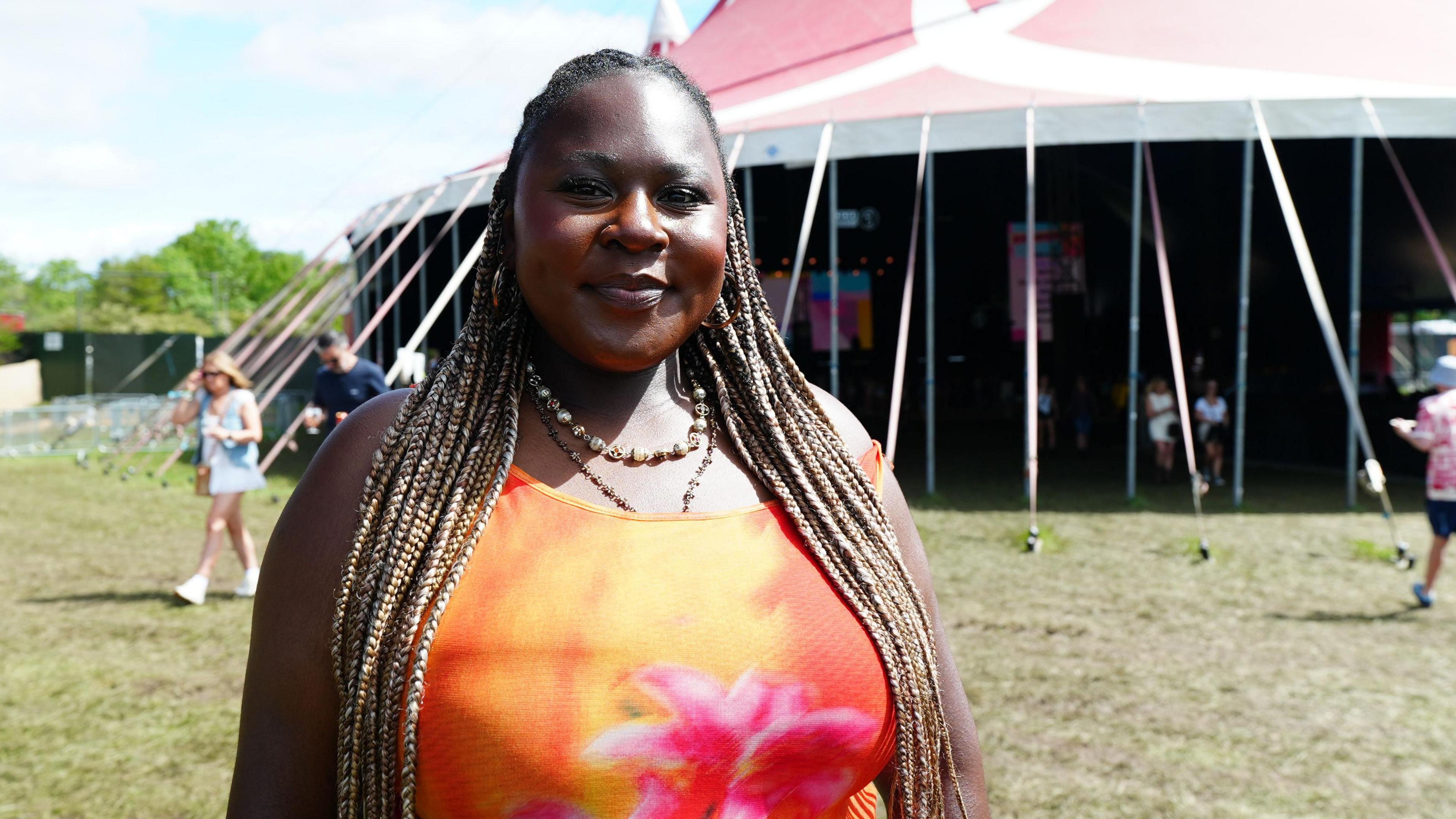
Amira says she doesn't use ear-plugs, but is interested in getting a pair to protect her hearing.
Loop's website shows images of people wearing their devices in casual, fun settings, and the brand has also collaborated with festivals such as Coachella and Tomorrowland.
Alpine CEO Arthur van Keeken says their ear-plugs have been popular with "younger, urban people" - exactly the audience for these types of events.
He believes they are more conscious of looking after their hearing, and wants a future where music fans view ear protection in the same way skiers see helmets.
The British Association of Audiologists - healthcare experts who specialise in diagnosing and treating ear problems - say hearing loss is one of the most common disabilities.
According to the Royal National Institute for Deaf People (RNID), it affects about one in three UK adults.
The charity's audiology manager Franki Oliver says that, under a microscope, the sound-sensing cells in our ears and the tiny hairs growing out of them resemble a patch of grass at a festival.
"The first day, the grass looks absolutely beautiful," she says. "Nice and green."
"After the first couple of days, it's OK. But at the end of the weekend it's looking pretty dead and it's probably not coming back.
"The same thing is happening with our ears when we expose them to loud noises".
Oliver says it's a good thing that ear-plugs are increasingly seen as an "accessory to a night out, rather than something you have to use".
But, like our ears, they are not all created equal.
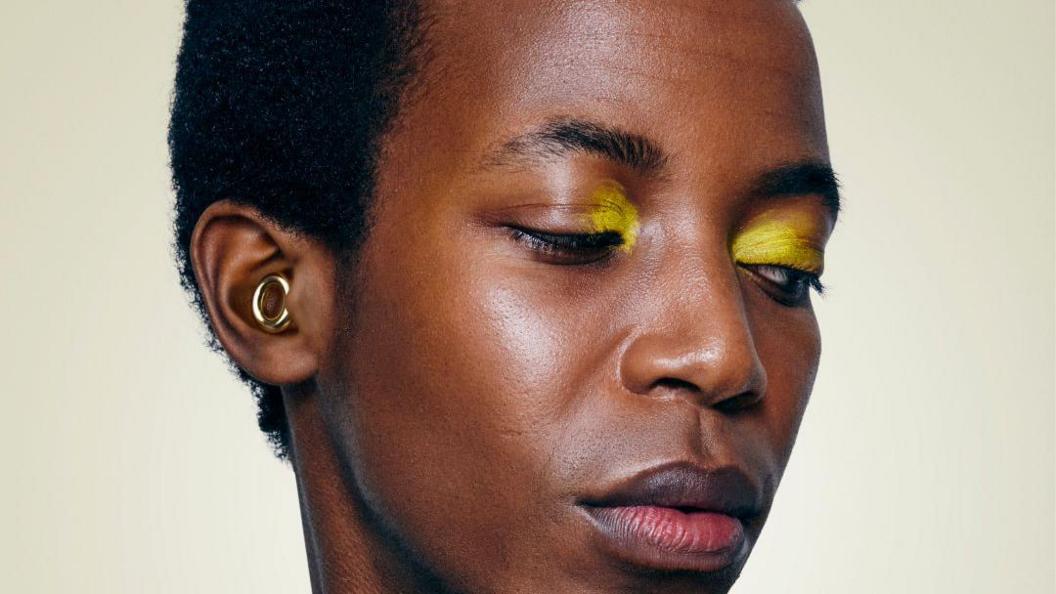 Image source, Loop
Brands like Loop have tried turning ear-plugs from safety equipment to a fashion statement
Oliver advises people check that any ear plugs they buy are actually doing what they're supposed to.
She suggests customers check that their purchases comply with safety regulations and to take note of the single number rating (SNR).
The higher the number, the greater the protection.
If ear-plugs are too loose and don't form a proper seal they won't work as well, so Oliver says it's also important to get the right fit.
Most brands offer multiple sizes for this reason.
If instructions are followed, Oliver says, ear-plugs can help to prevent a "hearing hangover" - sore or ringing ears after attending a gig or festival.
'I do believe they saved my hearing'
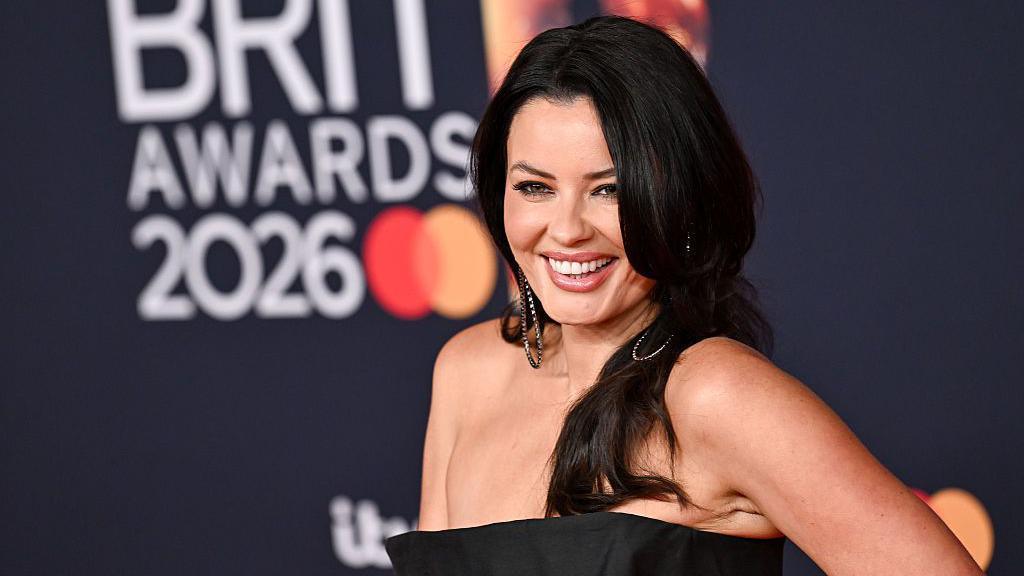 Image source, Getty Images
Radio 1 presenter Sarah Story says she believes wearing ear-plugs saved her hearing when working in clubs
For the people up on stage, who can be exposed to loud music night after night, hearing protection is also a big issue.
Radio 1 DJ Sarah Story says she's glad wearing ear-plugs in live venues is becoming more common, but believes there could be greater awareness.
The Future Dance host, who regularly performs live and has done club seasons in Ibiza, has been using them since she was 19.
She says her brother urged her to pick up a pair after he developed tinnitus - a ringing or buzzing sound caused by prolonged exposure to loud noise.
"I do believe they actually saved my hearing," she says.
Sarah says ear plugs, which can dampen extreme sound frequencies that cause distortion, can have other benefits.
"When you wear them you can just talk at a normal level and you don't end up losing your voice," she says.
"I used to lose my voice all the time when I was out."