.png)
 2 hours ago
1
2 hours ago
1
Erica Witherington,Disability reporterand Maia Davies

 BBC
BBC
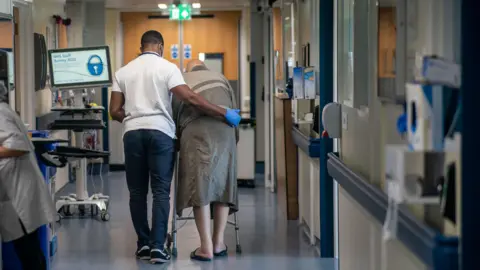
More people with learning disabilities and autism in England suffered deaths classed as avoidable in 2023 than initially thought, corrected figures show.
An annual mortality review, commissioned by NHS England and released in 2025, had found that 39% of deaths with a known cause had been avoidable. The figure has now been revised to 40%.
The original report was withdrawn in December, with an updated version being released on Tuesday. The NHS said a "technical issue" caused the errors in the report, and it "cannot happen again".
Learning disability charity Mencap called the situation "deeply upsetting" while a campaigner said it had left her feeling "frustrated".
The Learning Disabilities Mortality Review (LeDeR) was established in 2015 as people with a learning disability were known to be dying much younger than the wider population, often from illnesses that should have been treated or prevented.
It examines what happened in the lives of people with learning disabilities and autism who died in England, and looks at what healthcare they received, why they died, and whether anything could have been done differently.
The review has shown almost the same thing each year - that people with a learning disability die around 20 years younger than others. It has also found that many people die due to issues such as missed diagnoses, delays in care, or treatable conditions that were not acted on in time.
The updated research, led by a team at King's College London, found that 963 of the 2,397 deaths of adults with a learning disability reviewed in 2023 - and which had a known cause - were classed as avoidable.
At 40%, this is almost twice as high as the general population.
It also found circulatory diseases to be the most common cause of death at 17.6%, compared with respiratory conditions in the original report.
Among autistic adults without a learning disability, small changes appeared: deaths from suicide, misadventure or accidental death rose from 29.1% to 31.5%, representing a two‑person change.
The error has renewed concern from families, campaigners and charities about alleged failings in care for those with learning disabilities and autism.
Amanda Cresswell, 54, is part of Staying Alive and Well, a group of people with learning disabilities who helped to create an accessible version of the report.
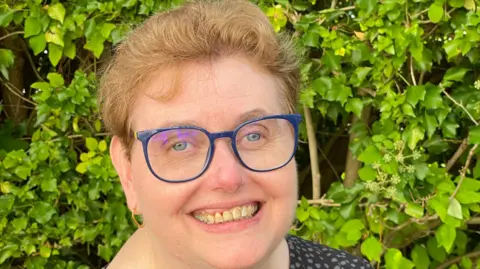 Amanda Cresswell
Amanda Cresswell said the situation showed people with learning disabilities were not being taken seriously
She said she often feels "very scared" in hospital, especially when medics use language she "can't understand".
"It makes me feel so frustrated," she said, adding that she sometimes had to ask people to "slow down" and say things "in a language I can understand".
Asked about the corrected figures, Cresswell said she was "angry" and worried about how she herself will be cared for in the future.
"I just feel very upset and frustrated because the people that should be taking us seriously aren't taking us seriously."
Mencap said it understood around 200 deaths had been reported incorrectly in the initial report, and that the error had a profound impact on families.
The charity's chief executive Jon Sparkes said: "It's deeply worrying the 2023 report was significantly delayed, then published with serious errors and withdrawn.
"This is deeply upsetting for families impacted and must not happen again."
He added there was "no excuse" for failing to support people with a learning disability to access "life-saving cancer screening and timely diagnosis".
He queried why the report still recorded some people with Down Syndrome as having suffered an "unavoidable" cause of death, pointing out: "You simply cannot die from Down Syndrome.
"This hides the real reasons people died, such as missed screening, late diagnosis or failures in basic care."
In a written statement to the House of Commons, Dr Zubir Ahmed, the parliamentary under-secretary at the Department of Health and Social Care, acknowledged "how concerning the retraction will have been for bereaved families and stakeholders who place great trust in the LeDeR process".
"The updated analysis reaffirms that people with a learning disability continue to experience significant health inequalities: on average, they die 19.5 years younger than the general population and are almost twice as likely to die from an avoidable cause of death," he continued.
"This remains unacceptable, and tackling these disparities continues to be a priority for this government."