.png)
 1 month ago
63
1 month ago
63
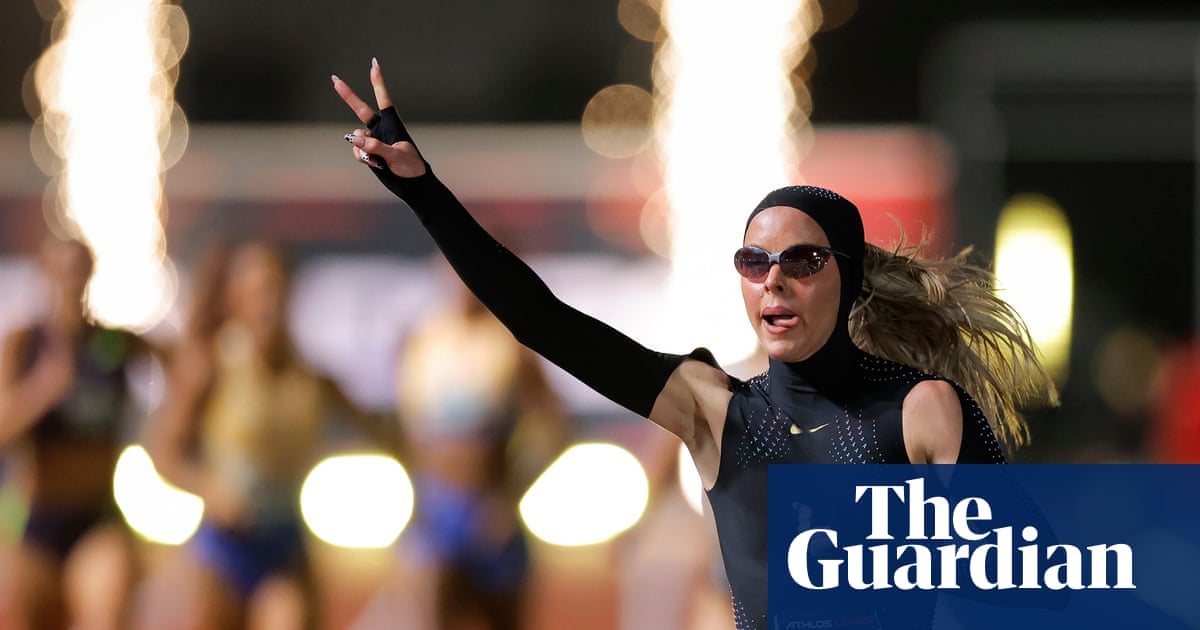
In the months between the first announcement of Marketa Vondrousova’s doping test refusal and the release of the full reasoned decision after her four‑year ban, the 2023 Wimbledon champion did her best to grab hold of the narrative. Between her social media posts and later interviews, Vondrousova explained that she had serious concerns about her safety during the encounter, that the doping control officer at her door had acted improperly, and that her mental health problems had affected her judgment.
Then came the 58-page document, a summary of the court tribunal process, which was finally released a little over a week ago. Among the ample questionable decisions it showed Vondrousova to have made that evening, the text to her boyfriend shortly after the doping control officer arrived was particularly revealing, an indication that she felt disdain towards the tester rather than fear: “So like here is ringing some cunt from the doping,” she wrote.
On 22 June, the International Tennis Integrity Agency announced that Vondrousova had been suspended for four years after refusing an anti-doping test last December. The 27-year-old had been approached by an anti-doping officer at around 8pm at her flat at a time that fell outside the one‑hour slot players provide to the anti-doping authorities as part of the whereabouts programme for doping control officers to reach her.
The full reasoned decision makes for excruciating reading from Vondrousova’s perspective. The most compelling conclusion is that she was ignorant of basic anti-doping rules, that she acted arrogantly due to her irritation at the 8pm anti-doping call and her decision to sign a document refusing a doping test, despite being told there could be severe consequences, will go down as one of the most ill-advised, self‑sabotaging decisions from any tennis player in history.
Vondrousova seemed to believe that testers should arrive only in her designated whereabouts slot, and her agent was also painfully clueless about the anti-doping rules, and she acted on those incorrect assertions. Aside from this, the only other compelling theory would be that she knew what was in her system and deliberately did not want to be tested.
Once the seriousness of her situation became clear after the refused test, Vondrousova even distastefully invoked the horrific stabbing of Petra Kvitova by a home intruder in Czechia when explaining her apparent fearfulness on social media. Despite that, Vondrousova still felt safe enough to walk out of the apartment building to take her dog for a walk, while the doping control officer was still at her door.

Even a large part of Vondrousova’s defence was centred on her dire decision making. She argued that she had been suffering from generalised anxiety disorder and acute stress reaction, which impaired her cognitive functions and led to her questionable actions. One point of interest ahead of the reasoned decision was how compelling her evidence would be to support this argument. Of the four written testimonies she put forward from experts, however, two doctors did not attend the hearing for cross‑examination and one confirmed at the hearing that he did not actually diagnose her. The tribunal concluded that, even if they accepted all of Vondrousova’s evidence, her excuse did not meet the high threshold to justify refusing to take a test.
The World Anti-Doping Agency code is gruelling and stressful for athletes, and most are critical of parts of the system, but it is still part of an athlete’s job to understand the rules and ensure, to the best of their ability, that they comply. An appeal to the court of arbitration for sport may follow in the future, but for now the consequences of Vondrousova’s errors are catastrophic. She is suspended until she is 31, a potentially career-ending absence for one of the most talented players of her generation.
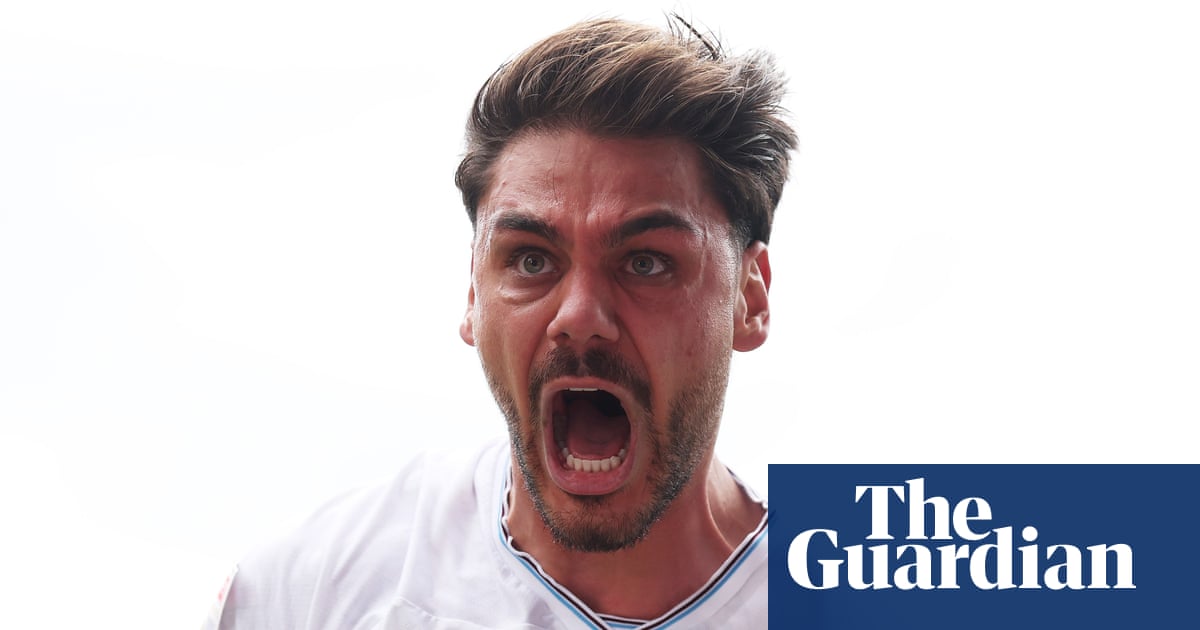
On the same day that Vondrousova’s full decision was released, another high-profile sports doping case was resolved with the announcement from the Football Association that Mykhailo Mudryk, the Ukrainian winger who plays for Chelsea, was free to return to competition after his initial four-year suspension following a positive test for the banned substance meldonium had been shortened.
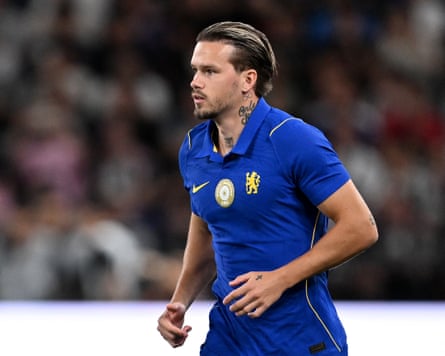
In contrast to the lengthy, detailed document that accompanied Vondrousova’s case and most doping cases in prominent Olympic sports, the Mudryk case, like the few public doping cases in football, has been defined by how little information is available due to the FA’s confidentiality rules. Forget a 58‑page document, the FA never even announced that Mudryk had received a four-year suspension; this information was revealed by Cas in April when Mudryk appealed against the suspension.
The FA then announced on 31 July that it had, along with Wada, come to a case resolution agreement with Mudryk, reducing the length of suspension. The Ukrainian accepted the anti-doping rule violation but was allowed to return to competition. According to the FA’s press release, the low concentration of meldonium in Mudryk’s sample would not have been reported under Wada’s new technical document, which comes into force in January, and there were apparently “other circumstances of the case”, none of which were specified, that led to the resolution. There are no further details.
After this announcement, the swiftness with which the narrative shifted from the doping suspension to how Mudryk could possibly reintegrate in the Chelsea team, to football matters, was fascinating. Little was made of the secrecy that football’s governing bodies operate with when it comes to anti-doping. This is merely one example – the circumstances around Paul Pogba’s doping ban in 2024, for example, were also murky until Cas became involved after his appeal.
Considering the confidentiality with which the FA operates in anti‑doping matters, it is hard not to wonder which other players might have quietly failed doping tests over the years and how other potential cases might have been resolved. Most other sporting governing bodies, including cycling, athletics and more recently tennis have been forced to become more transparent due to the damage inflicted on their reputation by high-profile doping cases.
Football, however, is eternally popular and there have been relatively few significant doping cases despite how high the competitive stakes are in the sport, meaning there is far less pressure on its governing bodies to be more transparent. As a result, the FA continues to manage its anti-doping programme in relative silence.
-
Do you have an opinion on the issues raised in this article? If you would like to submit a response of up to 300 words by email to be considered for publication in our letters section, please click here.