.png)
 1 month ago
51
1 month ago
51
ByAndré Rhoden-Paul & Caitlin Doherty
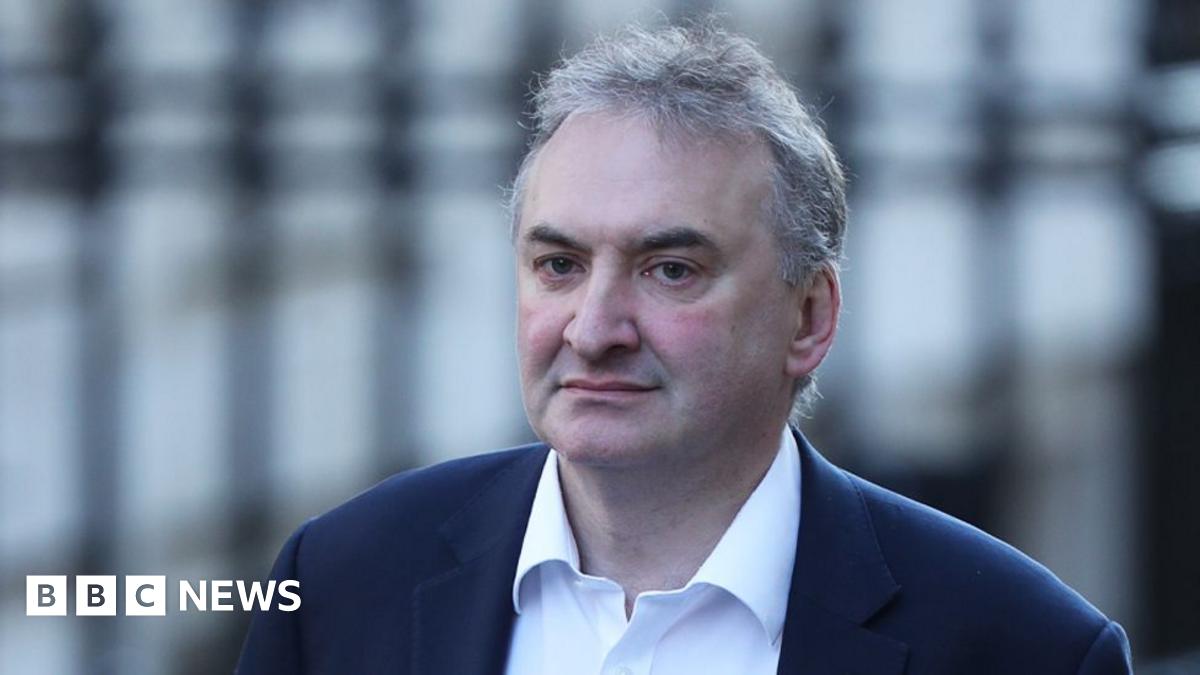
Metropolitan Police Commissioner Sir Mark Rowley has admitted his force "dropped the ball" when it spent four months investigating a journalist examining claims about a University of Cambridge professor embroiled in a plagiarism row.
Journalist Jack Grove said he was told by the Met it had looked into a complaint made by Jason Arday, which it closed, and that Grove should not contact Arday again.
When asked by broadcaster LBC if he should apologise to Grove, Sir Mark agreed and said the complaint should have been "screened out earlier on as not requiring investigation".
Arday, who resigned from Cambridge on Wednesday, has admitted errors in his work and said he has faced "unrelenting" attack.
The university opened an investigation on Tuesday into the 41-year-old, who became Cambridge's youngest black professor in 2023, following several stories making claims about the academic.
Times Higher Education (THE) reporter Grove said in 2025 he had been investigating allegations that Arday had plagiarised parts of his PhD and had emailed him offering right of reply.
Speaking to BBC Radio 4's Today programme, Grove said: "In early February I received a call from a Met police officer saying that a complaint had been raised against me by someone and Professor Arday was very distressed and I shouldn't contact him again.
"It was a complete shock. Apparently it was for harassment but I hadn't contacted him for four months and then maybe I think I've only sent three or four emails to him in total."
Sir Mark told LBC: "We dropped the ball on that one, let's not beat around the bush.
"A report came in of harassment or some crime like that, it should have been screened out as not requiring investigation...
"We shouldn't have made that call to him [Grove] and said that."
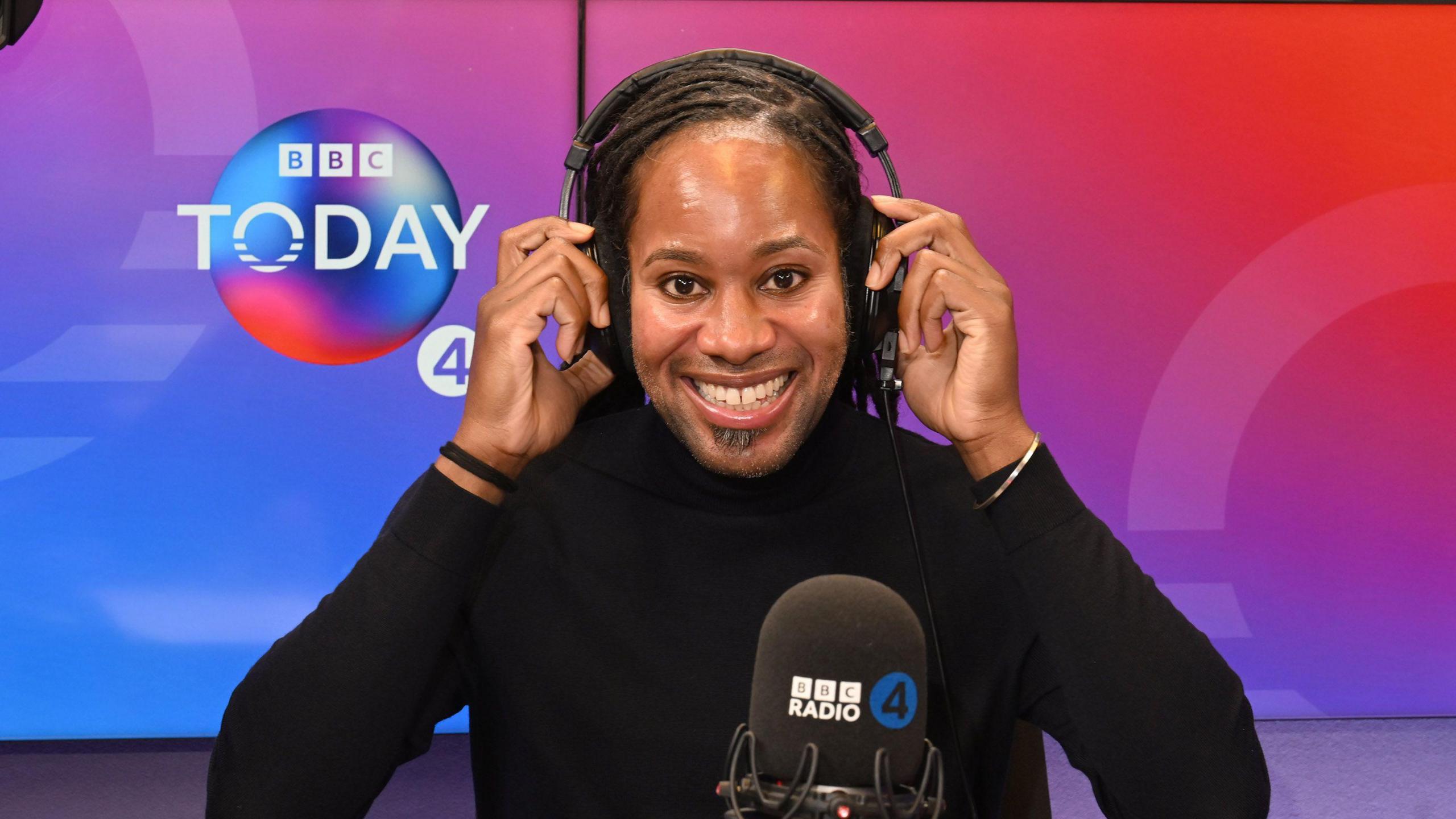
Jason Arday resigned from his post at University of Cambridge on Thursday
In a statement published by campaign group Good Law Project on Wednesday, Arday said "relentless accusations, speculation and public commentary have taken a profound toll on me and on those I love".
"I no longer wish to feel as though I am living under a constant spotlight, where every aspect of my life is subject to public examination and judgement," he said.
Speaking of his decision to step down he added it should not "be mistaken for an acceptance of the narratives that have surrounded me".
His resignation followed a series of media reports alleging he plagiarised parts of his PhD thesis completed at Liverpool John Moores University (LJMU) and other research.
LJMU - which awarded his PhD in 2015 - had investigated the allegations that were made last year, but did not uphold the charges.
During a previous interview with the Times, Arday did not dispute the allegations of plagiarism, but defended himself by arguing that he had not received adequate supervision during his PhD given his autism and learning disabilities, and that he could not afford a proofreader to catch mistakes when he started out in academia.
Further questions were raised in the press about the truth of other claims, including Arday saying he ran 600 miles in six days and that he raised £5.5m for charity.
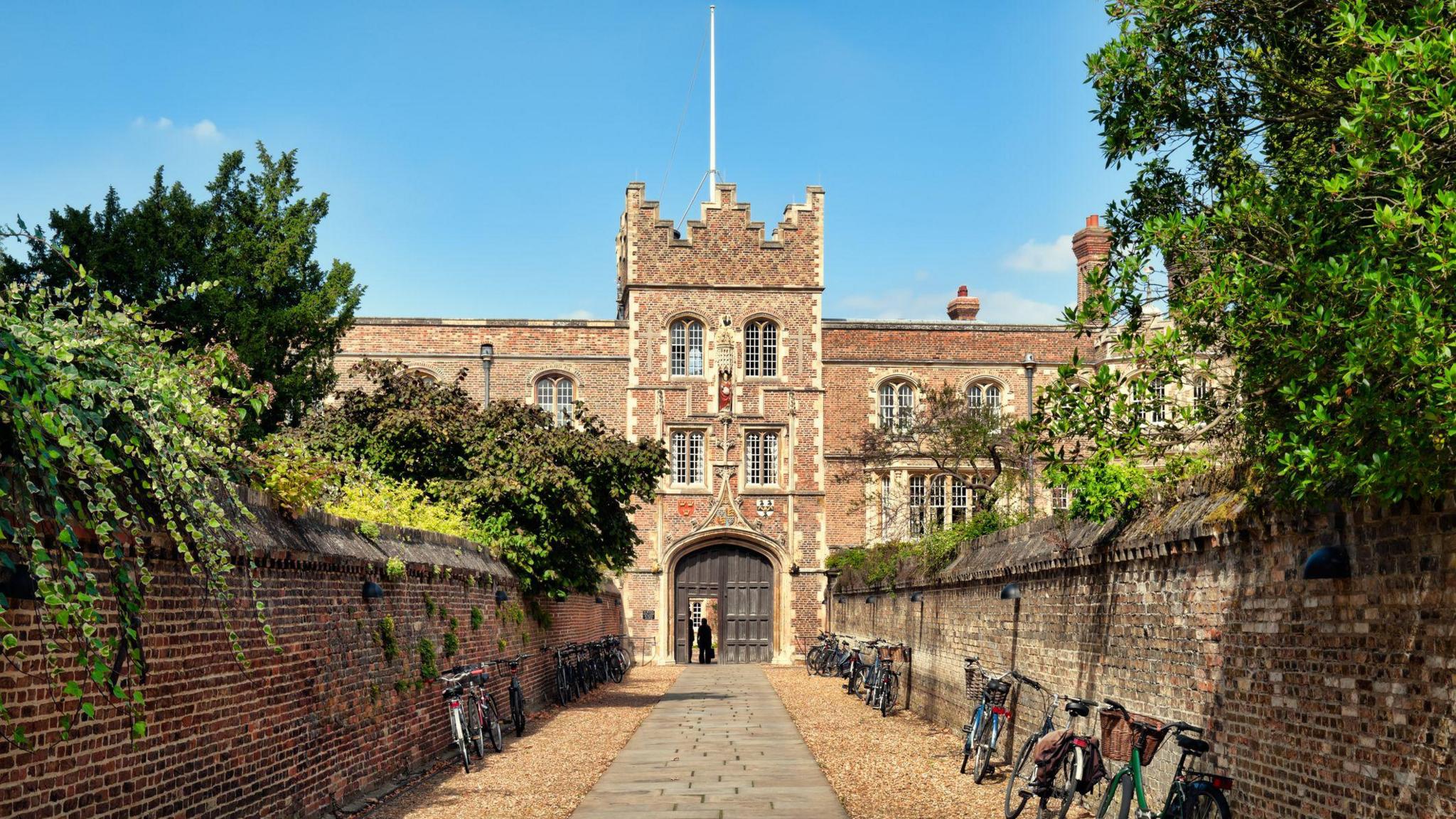 Image source, Getty Images
Jesus College, Cambridge, where Arday was a fellow, also said it was launching its own process
The controversy has attracted a range of opinions, including within the academic community.
Kathleen Stock, a philosopher and former professor at Sussex University, said Arday's hire was motivated by universities being "desperate for good press".
"The elite universities like Cambridge and Oxford had a particular problem because they are perceived to be quite harsh places, quite unkind places and very white places. And they wanted to change that impression," she told the Today programme.
Stock, who resigned her post in 2021 after a row over freedom of speech and her views on gender identity, said this was a "watershed" moment.
But Kehinde Andrews, who was previously professor of black studies at Birmingham City University, said the idea that black academics had an advantage because of their racial background was not true.
He told the BBC's Today programme: "What happens to black academics is we're not in an area where it's great and the left wing universities love us and they're trying to promote us.
"What happens is you work at a place for 12 years, you're very, very successful, and then you get made redundant. That's the experience of black academics."