.png)
 1 month ago
49
1 month ago
49
 Image source, Getty Images
Bulgarian singer Dara won this year's Eurovision Song Contest, after topping both the public and the jury vote
Organisers of the Eurovision Song Contest are proposing major rule changes to discourage voting campaigns that aim to influence the results.
Under the current system, viewers can vote up to 10 times for their favourite act by phone, text message or online.
In a letter to participating broadcasters, the EBU reportedly suggested moving the vote entirely online and forcing the public to select their top three acts - instead of being able to vote multiple times for one contestant.
The EBU said politically motivated voting had become "persistent" and was seen by many as "deeply worrying". The voting rules have been under scrutiny since the Israeli government encouraged fans to register multiple votes for the country's contestant in 2025.
Yuval Raphael's song, New Day Will Rise, placed 15th with the contest's juries - but outperformed every other participant in the public vote, scoring 297 points. In the end, Raphael finished as the overall runner-up.
A number of broadcasters subsequently queried how Israel placed so highly. They pointed to the fact that official social media accounts linked to Israel's government, including that of Prime Minister Benjamin Netanyahu, had asked people to vote for Raphael 20 times, the maximum allowed.
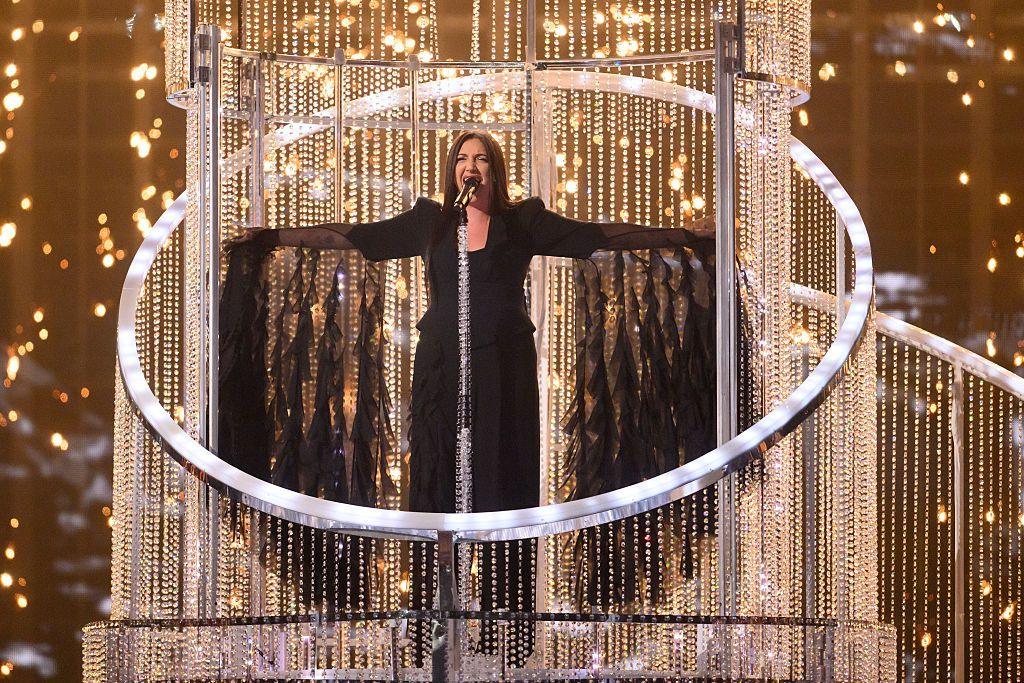 Image source, Getty Images
There were allegations that a co-ordinated voting campaign boosted the results of Israel's 2025 contestant Yuval Raphael
In response, the EBU changed the rules for 2026, reducing the maximum number of votes to 10.
However, it was forced to issue a formal warning to Israeli broadcaster Kan in the lead-up to the competition after its contestant released videos instructing fans to "vote 10 times for Israel".
Eurovision said it believed the posts weren't in "the spirit of the competition", and ordered their removal.
The latest proposals would end the ability to cast multiple votes for the same country, although dedicated fans could still register for additional accounts with different payment methods.
"We believe that these changes will... help dilute the effect of a mobilised block vote, without compromising fairness or trust," according to the letter, which was first reported by Swedish newspaper Aftonbladet, external.
In a statement to BBC News, the EBU said: "We can confirm that we have begun investigating a move to wholly online audience voting for the Eurovision Song Contest and more details will be announced in the months ahead."
Voting 'driven by political climate'
In the letter, the EBU acknowledged that the current voting system was affecting fans' perception of the contest.
"Even without major paid campaigns, and with a voting system that we can vouch for, it has become clear that today's geopolitical climate is driving votes for certain artists for reasons that have very little to do with their performances," it said.
"This is nothing new in Eurovision's history - we have seen it happen before - but this time it is persistent, and for many it is deeply worrying.
"Our research points towards two changes: Moving the public vote completely online and requiring people to vote for more than one entry, for example their three favourites," continued the letter, which was signed by EBU chief executive Jean Philip De Tender and Eurovision Reference Group chair Ana Maria Bordas.
The rationale for moving the voting online is the technical difficulty of requiring fans to vote for multiple acts via text message or phone votes.
The UK has already transitioned to online-only voting, starting with this year's contest.
Separately, the EBU revealed that Israeli cosmetics company Moroccan Oil had ended its sponsorship of Eurovision after six years.
No reason was given for the end of the partnership - which saw the haircare brand supplying professional hairstylists and hair products to participating artists.
However, the sponsorship had come under criticism in recent years amid wider protests over Israel's presence in the contest during the war in Gaza.
The news comes amid a flurry of developments for the 70-year-old contest.
Earlier this week, organisers announced that broadcasters will no longer be eligible to host the event if their state is involved in an "armed conflict" or "sensitive geopolitical situation".
They also raised the minimum age for participating singers from 16 to 18; and introduced stricter rules around the use of pre-recorded vocals at the contest.
Separately, it was announced on Thursday that the Bulgarian coastal town of Burgas will host the 2027 contest.
The country won the right to stage the competition after its entrant, Dara, won both the jury and public vote for her club anthem, Bangaranga, at this year's event.
The 71st edition of the competition will take place from 12 to 15 May, 2027.