.png)
 1 month ago
85
1 month ago
85
4 hours ago
Paulin Kolaand Aleks Phillips

 AFP via Getty Images
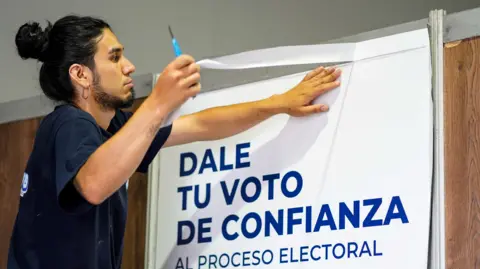
The election has polarised Colombia after months of tension with the US
Colombia is heading to the polls to choose a new president.
The election is being held after months of public recrimination between current left-wing President Gustavo Petro and his US counterpart Donald Trump over a number of issues including drug trafficking and American intervention in the region.
Petro cannot seek re-election and has thrown his support behind Iván Cepeda. Challenging him are right-wing candidates Abelardo de la Espriella and Paloma Valencia.
The outcome of the election could redefine which countries the Latin American nation aligns itself with and how the government intends to tackle drug gangs amid spiralling violence.
 EPA
EPA
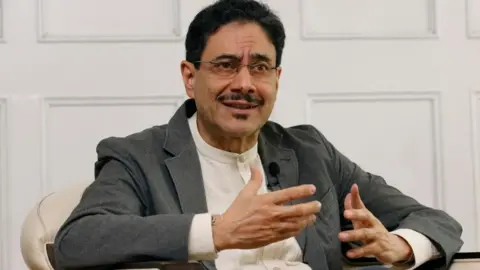
Iván Cepeda has pledged to continue the policies of the current administration
Voting begins at 08:00 local time (13:00 GMT) and will close at 16:00.
None of the candidates in Sunday's poll appear likely to win an outright majority, with a run-off vote expected on 21 June.
Polling suggests Cepeda has the greatest support, with de la Espriella his next-closest rival.
Cepeda has promised to continue with the Petro administration's policy of "total peace", which sought negotiated settlements with armed insurgent groups that engage in drug trafficking - though talks have stalled or fallen apart and there has been renewed violence.
De la Espriella and Valencia have vowed to launch a military crackdown if elected.
 Getty Images
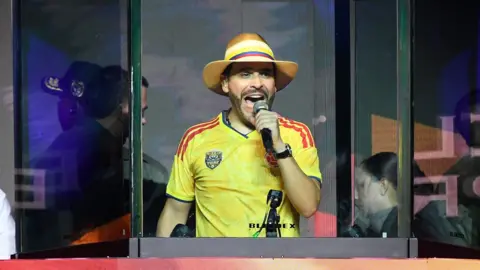
Right-wing presidential candidate Abelardo de la Espriella appeared behind bulletproof glass at a rally last week
Colombia's presidential hopefuls have campaigned amid persistent political violence, with one candidate fatally shot last summer. Last week, de la Espriella appeared at a rally in Medellin behind bulletproof glass.
He and Valencia have expressed a desire to restore Colombia's close security alliance with the US.
Cepeda has insisted, just as Petro did, that Colombia should not be a "vassal state" to the US - though observers have noted that the two nations' historic anti-drugs co-operation has continued during even the most heated disputes.
The capture by US forces of Venezuela's former President Nicolás Maduro in January has left Petro one of the region's few remaining left-wing leaders not ideologically aligned with the Trump administration.
Trump has accused Petro of not doing enough to prevent cocaine from his country winding up on America's streets.
At one point, Trump even called him "a sick man who likes selling cocaine to the United States" and said "he could be next" for US military intervention.
Petro has argued his government has seized the largest amount of drugs in history. But on his watch cocaine production has also soared to record highs, according to the United Nations' United Nations' World Drug Report 2025. Petro disputes the UN's method of counting.